
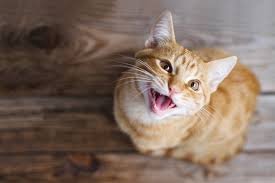
Why Does My Cat Meow So Much? Meanings by Type of Meow
Introduction
Among the many characteristics that make cats fascinating animals, their form of communication is one of the most intriguing. Contrary to what many people imagine, cats do not use meowing as their primary form of communication with each other — this vocal resource was developed and refined specifically for interaction with humans. Over thousands of years of living alongside people, felines learned that vocalizing is an effective strategy for communicating needs, emotional states, and intentions to their owners.
Understanding what a cat is trying to communicate through different types of meows is a valuable skill for any owner. In addition to strengthening the bond between human and animal, this understanding makes it possible to identify situations of discomfort, pain, or stress that require attention. In this article, you will find a detailed guide to the main types of feline vocalization and their meanings.
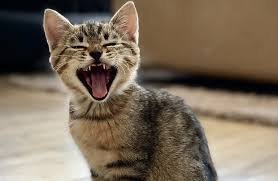
Why Do Cats Meow at Humans?
Research in the field of animal behavior shows that adult cats rarely meow at one another. This behavior is predominantly reserved for communication with humans, which suggests that felines developed this ability as an adaptation to domestic life.
Studies indicate that cats are capable of modulating the frequency, tone, and intensity of their meows according to the situation and the specific owner they live with. Each cat develops, over time, a particular vocal repertoire, adjusted to the responses it receives from its owner. In other words, cats learn which vocalizations are most effective for getting what they want from each person they live with.
The Main Types of Meow and Their Meanings
- Short, High-Pitched Meow The short meow, often described as a “mrrrp” or a single-syllable sound, is generally a greeting. It is common when the cat approaches its owner after a period of absence or when called by name. This type of vocalization expresses recognition and willingness to interact. It is one of the most positive meows in the feline repertoire.
- Long, Drawn-Out Meow When a cat produces a long meow lasting several seconds, it is usually making a clear and persistent request. This type of vocalization is frequently associated with demands for food, attention, or access to a restricted area. Cats that have learned that persistent meowing results in a response from their owner tend to use this resource frequently. It is important to evaluate whether the behavior is related to a legitimate need or whether it has become a habit inadvertently reinforced by the owner.
- Complaint or Whining Meow A meow that sounds like a complaint, with a descending intonation and a deeper tone, can indicate dissatisfaction, frustration, or mild discomfort. It is common when the cat is prevented from doing something it wants, when it is bored, or when it has not received the expected attention. This type of vocalization rarely indicates a health problem, but can be a sign that the animal needs more stimulation and environmental enrichment.
- Sharp, High-Intensity Meow Sudden, sharp, high-intensity vocalizations generally indicate pain, fear, or surprise. If the cat produces this type of meow without apparent cause — especially if associated with other signs such as reluctance to move or behavioral changes — a veterinary evaluation is recommended. This type of vocalization can also occur during conflicts with other animals or during physical handling that causes discomfort.
- Nighttime Meowing Excessive meowing at night is a frequent complaint among owners and can have various causes. In unneutered cats, intense nighttime vocalization is often associated with reproductive behavior. In neutered adult cats, it may indicate hyperthyroidism, hypertension, age-related cognitive decline, or simply a nocturnal activity pattern the animal has developed. Senior cats that begin meowing excessively at night should be evaluated by a veterinarian, as this behavior can be a symptom of treatable medical conditions.
- Trill or Chirp The trill is a melodious vocalization, similar to a bird’s chirp, produced with the mouth closed. It is frequently used by mother cats to call their kittens and, in domestic cats, represents a warm greeting or an invitation for the owner to follow the animal somewhere. It is one of the most affectionate vocalizations in the feline repertoire.
- Chatter — The “Hunting Sound” Chattering is that peculiar vocalization cats produce when watching birds or insects through a window, with the jaw vibrating rapidly in repetitive movements. There are different theories about its function: it may represent a frustration response to inaccessible prey, a way of mimicking birdsong, or simply an involuntary response of excitement. Regardless of the cause, it is a completely normal behavior and not a cause for concern.
- Purring Although technically not a meow, purring deserves special mention as one of the best-known and at the same time most misunderstood feline vocalizations. Purring is produced by the rhythmic vibration of the laryngeal muscles and occurs during both inhalation and exhalation, creating the characteristic continuous sound.
Contrary to popular belief, cats do not purr only when they are happy. Purring also occurs in situations of stress, pain, fear, and even near death. Researchers suggest that the vibration frequencies produced by purring — between 25 and 150 Hz — have therapeutic properties, potentially stimulating bone and tissue healing. Excessive purring associated with other signs of discomfort should be carefully evaluated.
- Hisses, Spits, and Growls These vocalizations represent clear signs of fear, threat, or defensive aggression. Hissing and spitting are produced with the mouth open and serve as warnings for the disturbing agent to back away. Growling is a deep, prolonged sound that indicates a high level of stress or readiness to attack. These signals should be respected and the animal should not be forced into interaction at these moments.
When Excessive Vocalization Is a Warning Sign
Although each cat has its own vocalization pattern, a significant change in that pattern deserves attention. A normally quiet cat that begins meowing frequently, or a communicative cat that suddenly stops vocalizing, may be signaling some change in its physical or emotional state.
Conditions such as hyperthyroidism, arterial hypertension, chronic pain, anxiety, cognitive dysfunction in senior cats, and neurological problems can manifest through changes in vocalization. In these cases, a veterinary evaluation is indispensable for identifying and treating the underlying cause.
How to Respond to Your Cat’s Vocalizations
Understanding a cat’s meows is only half of the communication process. The way the owner responds to these vocalizations is equally important. Always immediately attending to every request can reinforce excessive vocalizing behavior. On the other hand, completely ignoring the animal’s attempts to communicate can cause frustration and anxiety.
The ideal approach is to establish a predictable routine of feeding, play, and interaction, reducing the animal’s need to request attention excessively. Responding to greeting and genuine interaction vocalizations strengthens the bond and enriches the relationship between owner and feline.
Conclusion
Cat meows are a rich and multifaceted language, developed specifically for communication with humans. Learning to interpret the different types of vocalization from your feline is a way to deepen the emotional bond, meet the animal’s needs more effectively, and identify early on any situations that may require veterinary attention. Each cat is a unique individual with its own vocal repertoire, and dedicating time to understanding it is one of the most enriching aspects of living with these extraordinary animals.

David Bencivenga
Writer, advertising copywriter and SEO analyst, I am originally from New York and have been passionate about reading and writing since I was little. Books have always been my companions and favorite pastime, which led me to my profession. I hope you enjoy each of my texts and that they can help you in some way. Happy reading!