
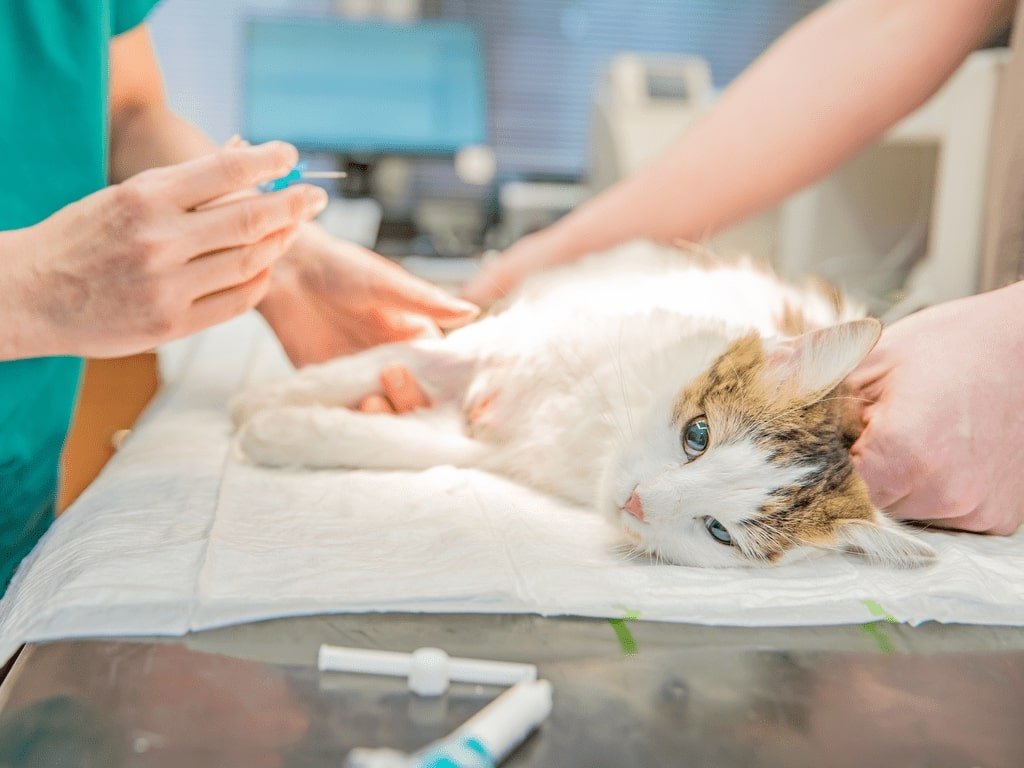
Neutering is one of the most widely recommended veterinary procedures across the world, yet it remains surrounded by persistent misconceptions, unfounded fears, and cultural resistance that prevent many pet owners from making a decision that would genuinely benefit their animals and their communities. Understanding the full picture — the medical evidence, the behavioral realities, and the broader social implications — is essential for any responsible pet owner considering this important step.
Contrary to what many owners believe, neutering does not make a pet sad, lazy, or diminish their personality in any meaningful way. This is perhaps the most common and most damaging myth surrounding the procedure, and it causes countless owners to delay or forgo neutering based on an entirely incorrect premise. A dog or cat’s core personality — their playfulness, affection, curiosity, loyalty, and individual quirks — is not determined by reproductive hormones. These traits are shaped by genetics, early socialization, environment, and the relationship the animal builds with their owner over time. Neutering does not erase any of these qualities.
What changes after neutering is a reduction in hormone-driven behaviors that are frequently problematic in domestic settings. In males, testosterone-driven behaviors such as urine marking around the home and garden, roaming in search of mates — which significantly increases the risk of traffic accidents, fights, and getting lost — and inter-male aggression tend to decrease substantially or disappear entirely following the procedure. In females, the elimination of heat cycles removes the associated behaviors that many owners find challenging: persistent vocalization, restlessness, attracting unwanted male attention, and the physical and emotional toll of repeated reproductive cycles. All of these changes make cohabitation more harmonious, peaceful, and enjoyable for both the animal and the humans sharing their lives.
From a health perspective, the benefits of neutering are significant, well-documented, and supported by decades of veterinary research. In females, spaying — the surgical removal of the ovaries and uterus — greatly reduces the risk of mammary tumors, which are among the most common cancers diagnosed in unspayed dogs and cats. The timing of the procedure matters enormously in this regard: surgery performed before the first heat cycle can reduce this risk by up to 99%, while spaying after the first or second heat still offers meaningful but progressively reduced protection. This single statistic alone makes early spaying one of the most impactful preventive health decisions an owner of a female pet can make.
Spaying also completely eliminates the risk of pyometra, a severe and potentially life-threatening uterine infection that develops in a significant proportion of unspayed females as they age. Pyometra requires emergency surgery and carries serious risks, particularly in older animals whose bodies are less able to withstand the physical demands of urgent intervention. The cost of emergency pyometra treatment is also substantially higher than the cost of routine elective spaying, making prevention the far more sensible approach from both a medical and financial standpoint. Ovarian cysts and uterine cancer are additional reproductive conditions that spaying eliminates entirely.
In males, neutering — the surgical removal of the testicles — prevents testicular cancer, which cannot develop in an organ that has been removed, and significantly reduces the risk of prostate enlargement and prostate disease, conditions that become increasingly common in intact male dogs as they age and cause significant discomfort and urinary complications. Perianal tumors, which are hormone-dependent and common in older intact males, are also far less likely to develop in neutered animals. Beyond these specific conditions, neutered animals tend to live longer, healthier lives overall, a finding supported by multiple large-scale studies examining longevity data across thousands of animals.
The behavioral and health arguments for neutering are compelling on their own, but the social dimension of this decision adds another layer of responsibility that conscientious pet owners should take seriously. Many countries and regions face a genuine crisis of stray and abandoned animals — millions of dogs and cats living and dying on the streets, in overcrowded shelters, and in conditions of chronic suffering. This crisis is not an abstract problem disconnected from individual pet ownership decisions. Every unplanned litter born to an unspayed pet contributes, directly or indirectly, to the overpopulation problem, even when the owner intends to find good homes for all the offspring. The reality is that homes are finite, and the number of animals being born consistently outpaces the number of people willing and able to adopt them.
Responsible neutering is one of the most effective tools available to combat this problem at a population level. When neutering rates rise within a community, the number of stray animals decreases, shelter intake drops, euthanasia rates fall, and public health improves — as stray animal populations are associated with increased risks of disease transmission, traffic accidents, and public safety concerns. Every individual neutering decision contributes to this larger positive outcome, making it an act of community responsibility as much as personal pet care.
The financial barrier to neutering, which is a genuine concern for many families, has been addressed in numerous communities through nonprofit organizations, animal welfare charities, and local government initiatives that offer free or heavily subsidized neutering programs for pet owners who meet certain criteria. These programs exist precisely because the public health and animal welfare benefits of widespread neutering are recognized at an institutional level. Research the options available in your specific area — your local shelter, veterinary clinic, or municipal animal services department can direct you to programs that may make the procedure accessible at little or no cost.
Some owners express concern about the appropriate age for neutering, and this is a question that genuinely deserves a personalized answer rather than a blanket recommendation. The ideal timing varies depending on the species, breed, size, and individual health profile of the animal. For many dogs and cats, neutering between five and six months of age is standard practice, but for certain large and giant dog breeds, some evidence suggests that delaying the procedure may offer orthopedic benefits. Talk openly and thoroughly with your veterinarian to determine the ideal age and approach for the procedure for your specific pet, taking into account all relevant factors.
Neutering is not a decision to be made under social pressure or dismissed out of unfounded concern. It is a medically sound, behaviorally beneficial, and socially responsible choice that reflects a genuine commitment to your pet’s well-being and to the health of the broader animal community around you.

David Bencivenga
Writer, advertising copywriter and SEO analyst, I am originally from New York and have been passionate about reading and writing since I was little. Books have always been my companions and favorite pastime, which led me to my profession. I hope you enjoy each of my texts and that they can help you in some way. Happy reading!