
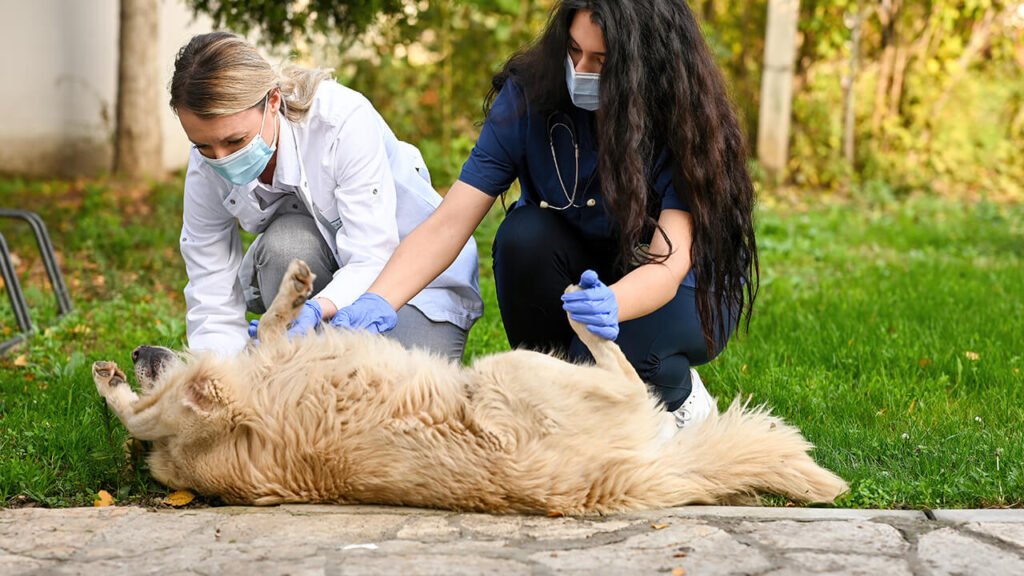
Knowing how to respond in an emergency can save your pet’s life. The minutes immediately following an accident, sudden illness, or toxic exposure are often the most critical, and the actions you take — or fail to take — during that window can determine whether your animal survives and recovers fully. Panic is the enemy of effective emergency response, and the best antidote to panic is preparation. Every responsible pet owner should keep a basic first aid kit at home and understand how to handle critical situations before reaching a veterinary clinic. First aid for pets is not a substitute for professional veterinary care, but it is an essential bridge that stabilizes your animal and buys precious time until expert help is available.
The kit should include sterile gauze, bandages, saline solution, blunt-tipped scissors, disposable gloves, and the contact information for a 24-hour emergency animal clinic. Additional items worth including are a digital thermometer, a clean towel or emergency blanket, adhesive medical tape, tweezers for removing splinters or ticks, an oral syringe for administering fluids if directed by a vet, and a small flashlight for examining the mouth, ears, and eyes. Store your kit in a clearly labeled, easily accessible container and make sure every adult in the household knows where it is kept. Review and restock the kit periodically to replace expired or depleted items. Consider keeping a secondary kit in your car, particularly if you frequently travel with your pet or live far from the nearest veterinary clinic.
Equally important as the physical kit is the knowledge of how to use it. Many organizations and veterinary practices offer pet first aid courses, and completing one is one of the most valuable investments a pet owner can make. Knowing how to apply a bandage correctly, how to perform rescue breathing, or how to safely transport an injured animal without causing further harm can make an enormous difference in the outcome of a crisis.
In cases of poisoning, never induce vomiting without veterinary guidance, as doing so can sometimes worsen the situation significantly. Certain substances, such as corrosive chemicals or petroleum-based products, can cause severe additional damage to the esophagus and mouth if brought back up. Other toxins may produce more dangerous effects when vomiting is induced. Call a vet immediately and inform them of the substance ingested, the approximate quantity, and how much time has passed since exposure. If possible, have the packaging of the ingested product on hand — the information it contains can help the veterinarian assess the level of risk and recommend the most appropriate course of action. Common household toxins for pets include chocolate, xylitol, grapes and raisins, certain houseplants, medications intended for humans, cleaning products, and rodenticides. Familiarize yourself with this list and store dangerous substances well out of your pet’s reach.
For minor wounds such as cuts, scrapes, or punctures, clean the area gently with saline solution and cover with sterile gauze to protect against contamination. Apply light pressure if there is bleeding, and secure the gauze with bandaging tape if necessary. Avoid applying alcohol or hydrogen peroxide directly to the wound, as these substances cause tissue irritation and can actually slow down the natural healing process rather than accelerate it. If a wound is deep, actively bleeding, or shows signs of infection such as swelling, heat, discharge, or an unpleasant odor, seek veterinary attention promptly rather than attempting to manage it at home. Bite wounds in particular should always be evaluated by a professional, as they are deceptively deep and carry a high risk of serious infection even when they appear minor on the surface.
If your pet appears to be in shock — identifiable by pale or white gums, rapid and shallow breathing, a weak or racing pulse, and cold extremities — keep them warm with a blanket and transport them carefully and quickly to the nearest veterinary clinic. Shock is a life-threatening condition in which the body’s organs are not receiving adequate blood flow and oxygen, and it can develop rapidly following severe injury, blood loss, allergic reaction, or extreme stress. Do not offer food or water to an animal in shock, and handle them as gently as possible to avoid exacerbating their condition. Call the clinic ahead of your arrival so the team can prepare to receive your pet immediately upon your arrival.
In the event of a seizure, your instinctive desire to hold or comfort your pet may actually cause harm. Instead, clear away any furniture, sharp objects, or hard surfaces that could injure your animal during involuntary movements. Do not attempt to hold down the tongue or insert anything into the mouth — contrary to an old and dangerous myth, animals cannot swallow their tongues during seizures, and interfering with the mouth risks a serious bite injury to you and additional stress to the animal. Stay calm, speak softly if you speak at all, dim the lights if possible, and time the duration of the episode carefully to report to the veterinarian. A single seizure lasting less than two to three minutes, while deeply alarming to witness, is not always a medical emergency in itself, but any seizure warrants a veterinary consultation to identify the underlying cause. Multiple seizures in quick succession, or a single episode lasting more than five minutes, constitute an emergency requiring immediate veterinary intervention.
Heatstroke is another critical condition that pet owners must be able to recognize and respond to quickly, particularly during hot weather. Signs include excessive panting, drooling, red or pale gums, vomiting, disorientation, and collapse. Move your pet to a cool, shaded area immediately, apply cool — not ice cold — water to the body, particularly the neck, armpits, and groin, and transport them to a vet as soon as possible. Never leave a pet unattended in a parked vehicle, even briefly, as temperatures inside a car can reach lethal levels within minutes on a warm day.
Always keep an emergency vet’s number saved in your phone, along with the number of a poison control hotline if one exists in your region. Preparation, education, and a calm and methodical response in moments of crisis are the greatest gifts you can give your pet when every second counts.

David Bencivenga
Writer, advertising copywriter and SEO analyst, I am originally from New York and have been passionate about reading and writing since I was little. Books have always been my companions and favorite pastime, which led me to my profession. I hope you enjoy each of my texts and that they can help you in some way. Happy reading!