
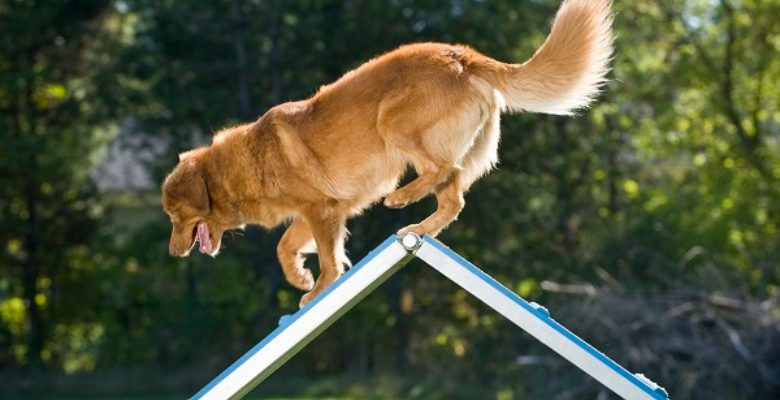
Every pet has a personality — and some are clearly born for adventure. Just as humans fall along a spectrum from homebody to explorer, domestic animals display a remarkable range of temperamental profiles that shape how they experience and interact with the world around them. Some pets are content to spend their days napping in a sunny spot, observing the world from a comfortable distance. Others are driven by an insatiable need to move, discover, investigate, and engage with everything their environment has to offer. Recognizing that adventurous profile in your animal is not simply an interesting observation — it is the first and most important step toward giving them the life they truly need, rather than the life that happens to be convenient for you.
The Classic Signs
Three core traits tend to appear together in the most adventurous pets, forming a recognizable constellation of behaviors that distinguishes the true explorer from the merely energetic animal.
The first is constant curiosity. Adventurous pets sniff every corner, investigate every new sound, and never seem fully satisfied with what they already know. The same backyard they have explored a hundred times is still approached as if it were entirely new territory, full of information worth gathering and processing. This is not distraction or disobedience — it is an active, engaged mind doing exactly what it was built to do. These animals notice changes in their environment that most humans would walk past without a second glance: a new scent carried on the breeze, a subtle shift in the arrangement of objects, the distant sound of an unfamiliar animal. Their attention to detail is extraordinary, and it reflects a level of cognitive engagement that deserves to be honored rather than suppressed.
The second trait is what might best be described as endless energy. Adventurous pets rarely choose stillness when movement is possible. They are always ready to play, run, jump, or investigate, and they communicate their need for activity with unmistakable clarity. Restlessness, pacing, nudging their owner toward the door, bringing toys repeatedly, and vocalizing when bored are all expressions of an energy reserve that needs an appropriate outlet. These animals do not tire easily, and attempts to satisfy them with brief or low-intensity activity often fall short of what they genuinely require.
The third defining characteristic is boldness in the face of the unknown. Rather than pulling back from unfamiliar situations, the adventurous pet leans in. An unfamiliar environment, an unusual sound, an animal or person they have never encountered — the instinctive reaction is curiosity and engagement rather than fear or withdrawal. This confidence in novel situations is one of the most defining features of the adventurous temperament and is what makes these animals such exceptional companions for active owners who enjoy varied, unpredictable experiences.
If your pet fits this profile, it is essential to understand that ignoring or suppressing these instincts has real and measurable consequences. Animals with high energy reserves and an inherent drive toward exploration who are not provided with adequate outlets tend to redirect that energy in ways that are destructive, disruptive, and stressful for everyone in the household. Furniture destruction, excessive barking or vocalization, escape attempts, hyperactivity, and chronic anxiety are among the most common outcomes of a life that does not match an adventurous animal’s fundamental needs. These are not character flaws — they are symptoms of a mismatch between the animal’s nature and their environment.
Why Physical Activity Is Non-Negotiable
For adventurous pets, exercise is not a luxury or an optional addition to an otherwise adequate life — it is a basic biological and psychological need. Physical activity channels surplus energy in a healthy and constructive direction, reduces the physiological markers of stress, promotes the release of mood-regulating neurochemicals, and keeps the animal mentally stimulated in ways that passive rest simply cannot replicate. A genuinely well-exercised adventurous pet is a calmer, more focused, more affectionate, and significantly easier to live with companion. The investment of time and energy you make in their physical activity pays dividends across every other dimension of their behavior and well-being.
The most effective ways to ensure that your adventurous pet receives the stimulation they require are varied and should ideally be combined rather than relied upon individually. Outdoor play in spaces large enough for genuine freedom of movement — fields, beaches, parks, hiking trails — gives your pet the opportunity to run, sniff, explore, and engage with their environment on their own terms. Daily walks that vary in route and duration provide both physical exercise and crucial sensory and social stimulation. Interactive toys that require problem-solving — puzzle feeders, scent games, obstacle courses — challenge the mind as effectively as physical exercise challenges the body, and the combination of both is far more satisfying than either alone. Obedience training and skill-building classes, conducted with positive reinforcement methods, offer another powerful outlet for adventurous energy while simultaneously deepening the communication and trust between animal and owner.
How to Nurture the Adventurous Instinct
Having an adventurous pet is an extraordinary opportunity, not a burden or an inconvenience to be managed. With the right outings, the right stimulation, and the right mindset, that seemingly inexhaustible energy transforms into fuel for experiences that are genuinely remarkable — long hikes through forest trails, mornings on the beach, explorations of new parks and neighborhoods, camping trips, and travel to places that become shared memories between you and your companion.
The most adventurous pets often become their owners’ greatest motivation to live more actively and expansively. They push you out the door on mornings when you might otherwise stay in. They find wonder in places you have passed a hundred times without noticing. They remind you, consistently and enthusiastically, that the world is larger and more interesting than routine allows us to appreciate.
The secret to living well with an adventurous pet lies entirely in respecting the animal’s nature and providing an environment that genuinely matches it, rather than one that merely tolerates it. Pets that live in accordance with their deepest instincts are measurably healthier, demonstrably happier, and far more harmonious to share a life with than those whose fundamental drives are consistently frustrated or ignored.
If your pet has that spark — that brightness in the eyes, that readiness to move, that fearless curiosity about everything just beyond the next corner — do not attempt to dim it for the sake of convenience. Understand it, honor it, and feed it. The life you build together will be richer for it.

David Bencivenga
Writer, advertising copywriter and SEO analyst, I am originally from New York and have been passionate about reading and writing since I was little. Books have always been my companions and favorite pastime, which led me to my profession. I hope you enjoy each of my texts and that they can help you in some way. Happy reading!