
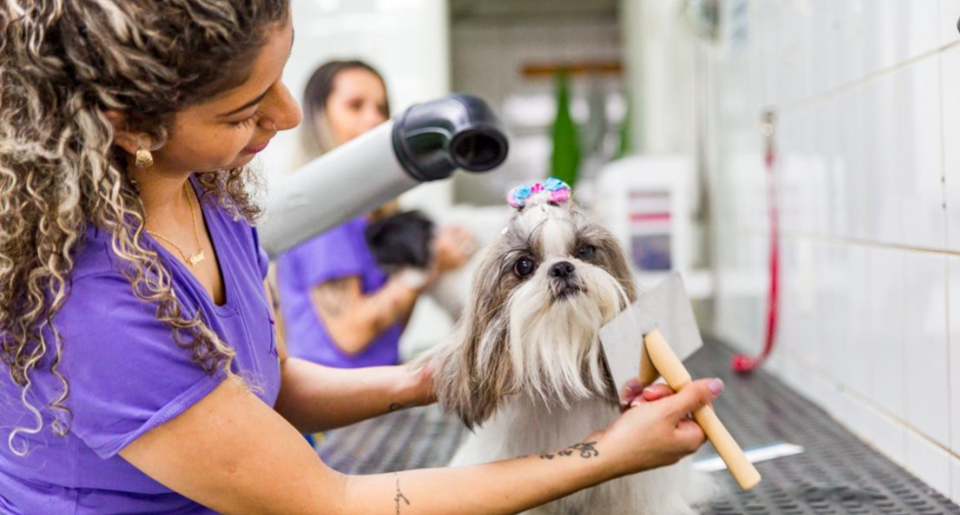
Regular hygiene is essential for the health and well-being of your pet. Maintaining a consistent grooming routine does more than simply keep your animal looking presentable — it plays a direct role in preventing infections, identifying health problems early, and strengthening the bond between pet and owner. A well-groomed pet is generally a healthier, happier, and more comfortable animal, and the habits you establish early in your pet’s life will make grooming a positive and stress-free experience for both of you.
How often you bathe your animal will depend on their species, breed, and lifestyle. There is no single universal answer that applies to every pet, and understanding your individual animal’s needs is the foundation of good hygiene care. Dogs that spend more time outdoors, rolling in grass, swimming, or exploring muddy environments, may need weekly baths to stay clean and odor-free. Meanwhile, more indoor-oriented pets with calmer routines can go 15 to 21 days between baths without any negative effects on their coat or skin health. Over-bathing is a real concern that many owners overlook — washing your dog too frequently strips the coat of its natural protective oils, leading to dryness, flakiness, and increased sensitivity. Finding the right frequency for your specific pet requires observation and, when in doubt, guidance from your veterinarian or a professional groomer.
Cats typically groom themselves and rarely need bathing, except in special situations such as contact with toxic substances, severe flea infestations, or medical conditions that affect their ability to self-clean. Senior cats and obese cats in particular may struggle to reach certain areas of their body and can benefit from occasional assistance. When bathing a cat is necessary, preparation and patience are essential — an unprepared cat introduced suddenly to water will almost certainly react with stress and resistance, making the experience unpleasant for everyone involved.
Always use shampoo specifically formulated for animals, as their skin pH differs significantly from that of humans. This is a point that cannot be overstated. Human shampoo, even gentle or baby formulations, can cause dryness, irritation, and disruption of the skin’s natural barrier in pets. Over time, repeated use of inappropriate products can lead to chronic skin conditions that require veterinary treatment. There are shampoos available for specific needs — anti-fungal, anti-parasitic, hypoallergenic, moisturizing, and breed-specific formulas — so consult your vet if you are unsure which product best suits your pet’s skin and coat type.
Make sure the water is warm and comfortable throughout the bath. Water that is too hot can scald sensitive skin, while cold water causes unnecessary stress and discomfort. Test the temperature on your wrist before placing your pet in the water. Speak calmly and reassuringly during the bath to help keep your animal relaxed. Reward cooperative behavior with treats and praise to create positive associations with grooming from an early age.
Dry your pet thoroughly after the bath to prevent fungal infections and ear issues. Moisture trapped in the coat, between skin folds, or inside the ear canal creates the warm, damp conditions in which bacteria and fungi thrive. Use absorbent towels to remove as much water as possible, and if your pet tolerates it, a pet-safe hair dryer on a low, warm setting can speed up the drying process significantly. Never allow your pet to remain damp for extended periods, particularly in cooler environments or during colder months.
Pay special attention to skin folds in breeds like the Shar-Pei, Bulldog, Pug, and French Bulldog, where trapped moisture and debris can cause painful bacterial infections known as skin fold dermatitis. These areas must be cleaned and dried thoroughly during every bath, and in some cases, may need daily attention between baths using pet-safe wipes or a clean, dry cloth. Neglecting skin folds is one of the most common hygiene mistakes made by owners of these breeds, and the infections that result can be both uncomfortable for the animal and costly to treat.
Coat brushing should be done regularly — daily for long-haired breeds and weekly for short-haired ones. Regular brushing removes loose hair, dirt, and debris from the coat before it has a chance to accumulate and cause matting. It also distributes the skin’s natural oils evenly throughout the coat, promoting shine and moisture balance. For long-haired breeds such as Golden Retrievers, Maine Coon cats, and Afghan Hounds, neglecting brushing even for a few days can result in painful mats that pull at the skin and require professional removal. Brushing also reduces the amount of shed hair deposited around your home, which is a welcome benefit for owners who share their space with heavy-shedding breeds. Beyond the practical benefits, brushing is an opportunity for gentle physical contact and observation — running your hands and a brush through your pet’s coat allows you to feel for unusual lumps, bumps, skin changes, or signs of parasites that might otherwise go unnoticed.
Do not neglect dental hygiene, as it is one of the most overlooked aspects of pet care despite its significant impact on overall health. Brushing your pet’s teeth three times a week helps prevent the buildup of plaque and tartar that leads to periodontal disease. This condition, which affects the gums, teeth, and supporting bone structures, is extremely common in both dogs and cats and has consequences that extend far beyond the mouth. Bacteria from infected gum tissue can enter the bloodstream and travel to vital organs including the heart, kidneys, and liver, contributing to serious systemic diseases. Use a toothbrush and toothpaste specifically designed for pets — never human toothpaste, which contains fluoride and other ingredients that are toxic to animals when swallowed. Dental chews, water additives, and dental toys can complement brushing but should not replace it entirely.
In addition to bathing, brushing, and dental care, a complete hygiene routine should include regular nail trimming, ear cleaning, and eye care as needed. Long nails can alter your pet’s gait and cause joint problems over time. Dirty ears are a common site for yeast and bacterial infections, particularly in floppy-eared breeds. Consistent, attentive grooming across all of these areas is the foundation of a long, healthy, and comfortable life for your beloved companion.

David Bencivenga
Writer, advertising copywriter and SEO analyst, I am originally from New York and have been passionate about reading and writing since I was little. Books have always been my companions and favorite pastime, which led me to my profession. I hope you enjoy each of my texts and that they can help you in some way. Happy reading!