
Cat Brushing Guide: Frequency, Brush Types, and Techniques
Introduction
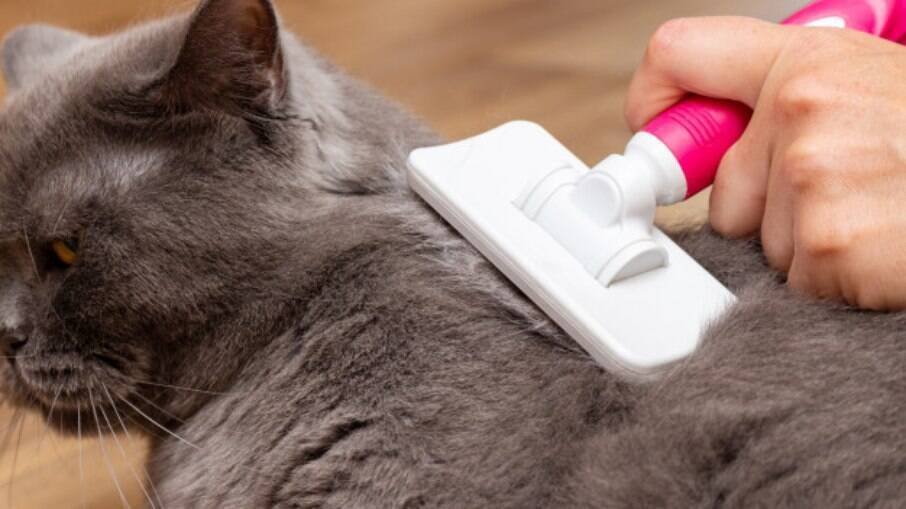
Regular brushing is one of the most important and frequently underestimated aspects of maintaining the health and well-being of domestic cats. Far beyond an aesthetic concern, brushing offers concrete benefits for skin and coat health, contributes to the prevention of digestive problems, and strengthens the emotional bond between owner and animal.
Although cats are naturally dedicated to their own grooming, human brushing complements this care in a significant way, especially in long-haired breeds or in senior animals with reduced mobility. Understanding the appropriate frequency for each coat type, knowing the different types of brushes available, and mastering the correct brushing techniques are essential knowledge for any owner committed to their feline’s health. This article brings all of this information together in a practical and detailed way.
Why Brush Your Cat Regularly?
Prevention of Knots and Tangles In long and semi-long-haired cats, loose hairs accumulate and intertwine easily, forming knots that, when neglected, develop into dense tangles that are difficult to undo. These tangles can cause significant discomfort, pull on the skin, create an environment conducive to parasite proliferation, and in extreme cases require clipping — shaving the coat — for their removal.
Reduction of Hairballs During grooming, cats inevitably ingest a considerable amount of dead hair. These hairs accumulate in the digestive tract, forming what are known as hairballs, or trichobezoars, which the animal frequently regurgitates. In more serious cases, hairballs can cause intestinal obstructions requiring veterinary intervention. Regular brushing removes dead hairs before they are ingested, significantly reducing the formation of these balls.
Skin Health Brushing stimulates blood circulation in the skin, distributing the natural oils produced by the sebaceous glands throughout the coat. This process contributes to healthier skin, a shinier coat, and a more efficient skin barrier against external agents.
Early Detection of Problems Regular brushing gives the owner an opportunity to carefully examine the animal’s skin and coat. During this process, it is possible to identify early signs of parasite infestation such as fleas and ticks, skin lesions, lumps, wounds, areas of abnormal hair loss, and other changes that deserve veterinary attention.
Strengthening the Bond For many cats — especially those accustomed to brushing from kittenhood — the procedure is a pleasant and relaxing experience that strengthens the bond with the owner. Regular physical interaction during brushing promotes trust, emotional well-being, and satisfaction for both parties.
Brushing Frequency by Coat Type
The ideal brushing frequency varies significantly according to the length and texture of the animal’s coat.
Short-Haired Cats Short-haired breeds such as Siamese, Abyssinian, Bombay, and short-haired mixed-breed cats require less frequent brushing. Once or twice a week is sufficient to remove dead hairs, distribute natural oils, and keep the coat healthy. During shedding periods, which generally occur in spring and autumn, frequency can be increased to daily in order to control the amount of loose hairs in the environment.
Medium-Haired Cats Medium-haired breeds, such as young Maine Coons and some less dense-coated Persian variations, benefit from brushing two to three times a week. The texture and density of the coat determine whether frequency should be higher or lower within this range.
Long-Haired Cats Long-haired breeds such as Persians, Ragdolls, Angoras, and Norwegian Forest Cats require daily brushing or at minimum every other day. The dense, long coat of these breeds is particularly prone to knot formation, and frequent brushing is indispensable for maintaining coat health and integrity.
Senior Cats Regardless of coat length, senior cats frequently require more regular brushing than younger animals. Reduced mobility and joint flexibility compromise the capacity for autonomous grooming, meaning the animal can no longer reach certain areas of the body as efficiently as before. The owner’s assistance with brushing therefore becomes even more important at this stage of life.
Types of Brushes and Their Applications
The market offers a variety of brushing tools for cats, each with specific characteristics and indications. Knowing the available options and selecting the most suitable ones for your animal’s coat type is essential for achieving the best results.
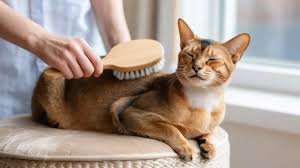
Natural or Synthetic Bristle Brush Bristle brushes are indicated primarily for the final finishing of brushing and for distributing natural oils throughout the coat, adding shine and softness. They are most suitable for short and medium-haired cats. Natural bristles, generally made from boar hair, are softer and gentler on the skin, while synthetic bristles offer greater durability.
Pin Brush Pin brushes, composed of metal rods with rounded tips set in a flexible base, are versatile and suitable for different coat lengths. They are effective for detangling moderately matted fur and removing surface dirt. The flexibility of the base follows the contours of the animal’s body, making brushing more comfortable.
Wide-Tooth Comb The wide-tooth comb is an indispensable tool for long-haired cats. Used before the brush to detangle initial knots, the wide-tooth comb penetrates deeply into the coat without pulling or breaking the hairs. It should be used with gentle, progressive movements, working from the tips of the hair toward the roots.
Fine-Tooth Comb The fine-tooth comb is used after the initial detangling for a more detailed cleaning and to check for any undetected remaining knots. It is also effective for identifying parasites such as fleas and their eggs, which are trapped between the comb’s teeth during brushing.
Grooming Glove The grooming glove is a tool that fits over the owner’s hand, allowing brushing to be performed through petting motions. It is particularly recommended for cats that resist conventional brushes, as it simulates the physical contact of grooming and is frequently better accepted by more sensitive animals. It is most effective for short and medium-haired cats.
Furminator and Deshedding Tools Deshedding tools, such as the popular Furminator, are designed specifically to remove dead hair from the undercoat without cutting the hairs of the outer coat. They are extremely effective during shedding periods and significantly reduce the amount of hair in the environment. They should be used in moderation, as excessive use can irritate the skin and damage the coat.
Brushing Techniques
Initial Approach Before beginning brushing, allow the cat to sniff and explore the brush. This prior contact reduces the animal’s apprehension about the object. Position the cat comfortably — whether on your lap, on a stable surface, or in the animal’s preferred resting spot.
Direction of Movements The general rule is to always brush in the direction of hair growth, from root to tip. This direction is more comfortable for the animal and avoids unnecessary pulling. In long-haired cats with established knots, always work from the tips toward the root, progressively detangling before moving on to the conventional technique.
Sensitive Areas Some areas of the body are more sensitive to touch and brushing. The belly, armpits, groin, and base of the tail are areas that many cats instinctively protect. Approach these regions with especially gentle movements and pay close attention to the animal’s signs of discomfort. If the cat shows resistance to a specific area, respect its limits and return to it at another time.
How to Undo Knots When you encounter a knot, never attempt to remove it by force or by pulling directly. Use your fingers to gently separate the hairs around the knot, reducing its density, and then work with the wide-tooth comb in short, progressive movements starting from the tips. For very dense knots close to the skin, attempting to undo them at home can cause pain and injury. In these cases, the best course of action is to take the animal to a veterinarian or professional groomer.
Duration and Pace Brushing sessions should have a duration adjusted to the individual animal’s tolerance, especially at the beginning. For cats unaccustomed to the procedure, short sessions of two to five minutes are more effective than long, forced ones. Gradually increase the duration as the animal demonstrates greater tolerance and comfort.
Habituation to Brushing
Cats that were not accustomed to brushing from kittenhood may show initial resistance to the procedure. The most effective approach to overcoming this resistance is gradual habituation combined with positive reinforcement. Start by touching the animal with the brush without making any brushing movements, simply allowing it to become familiar with the object. Progress to gentle movements in less sensitive areas, rewarding with treats and praise. With patience and consistency, most cats learn to tolerate and even enjoy regular brushing.
Conclusion
Regular brushing is an essential component of the domestic cat care routine, with benefits that go far beyond aesthetic appearance. Choosing the right tools for the animal’s coat type, adopting the correct technique, and maintaining a frequency compatible with the feline’s individual needs are practices that directly contribute to its health, comfort, and well-being. Investing time and attention in brushing is, ultimately, a concrete expression of care and respect for the animal that shares your home.

David Bencivenga
Writer, advertising copywriter and SEO analyst, I am originally from New York and have been passionate about reading and writing since I was little. Books have always been my companions and favorite pastime, which led me to my profession. I hope you enjoy each of my texts and that they can help you in some way. Happy reading!