
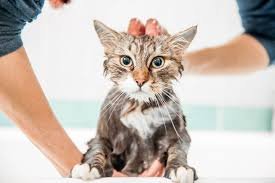
How to Bathe a Cat at Home Without Stress
Introduction
Bathing a cat is, for many owners, one of the most challenging tasks in the animal care routine. Feline resistance to contact with water is widely known and frequently turns bath time into a stressful experience for both the animal and the owner. Scratches, bites, escape attempts, and intense vocalization are common reactions from cats subjected to bathing in an inadequate way.
However, with the right preparation, appropriate techniques, and a gradual and respectful approach, it is perfectly possible to make bathing a significantly less stressful experience for both parties. This article presents a complete guide on how to bathe cats at home, covering everything from the actual need for the procedure to the practical steps and post-bath care.
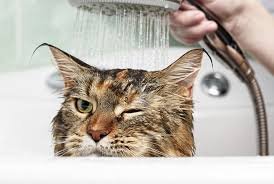
Do Cats Really Need Baths?
Before addressing how to bathe cats, it is important to answer a fundamental question: do cats actually need to be bathed? The answer depends on a number of individual factors.
Cats are animals recognized for their self-cleaning behavior. They dedicate between 30% and 50% of their waking time to grooming, using their tongue, teeth, and paws to keep their coat clean and organized. Feline saliva contains compounds with antimicrobial properties that contribute to coat hygiene. Under normal conditions, healthy cats with regular access to grooming do not require frequent baths.
However, there are situations in which bathing becomes necessary or advisable. Cats that have gotten into toxic or sticky substances, animals with parasite infestations requiring medicated baths, senior cats or those with physical limitations that compromise autonomous grooming, animals with dermatological conditions requiring therapeutic baths, and long-haired cats prone to dirt accumulation are all examples where bathing is justified.
For most healthy short-haired cats living exclusively indoors, a bath every two to three months is sufficient. Long-haired cats may require more frequent baths, every four to six weeks, to keep the coat healthy and tangle-free.
Preparation: The Key to a Calm Bath
Adequate preparation before the bath is just as important as the procedure itself. Cats subjected to bathing without prior preparation tend to react with much more resistance and stress than animals gradually accustomed to the procedure.
Habituation from Kittenhood The most effective way to ensure that bathing is a calm experience is to begin habituation while the animal is still a kitten. Gradually exposing the animal to water — starting with brief, positive contacts such as lightly wetting the paws and associating the experience with rewards — creates a foundation of tolerance that significantly facilitates baths throughout the animal’s life.
For adult cats that have never been bathed or that have a history of negative experiences with the procedure, the habituation process requires more time and patience, but is still possible and advisable.
Tire the Cat Out Before the Bath An intense play session of fifteen to twenty minutes before the bath is a simple and effective strategy. A cat with reduced energy tends to offer less resistance during the procedure. Avoid feeding the animal immediately before the bath to reduce the risk of nausea.
Prepare Everything in Advance Organize all necessary materials before bringing the cat to the bathing area. You will need cat-specific shampoo, enough soft towels, a container or shower head for wetting the animal, and optionally a hair dryer with a cool air setting. Having everything at hand prevents you from having to step away during the bath, which can increase the animal’s stress.
Choose the Right Shampoo Use only products formulated for cats. Human shampoos and products intended for dogs may contain ingredients that are harmful or irritating to feline skin. For cats with dermatological conditions, the veterinarian should recommend the most appropriate product. Hypoallergenic and fragrance-free shampoos are good options for animals with sensitive skin.
Trim the Nails Beforehand Trimming the cat’s nails one or two days before the bath significantly reduces the risk of scratches during the procedure. This simple precaution can make a big difference for both the owner’s safety and the overall calmness of the process.
Step-by-Step Bath Guide
- Brush Before Wetting Before starting the bath, thoroughly brush the cat’s coat to remove loose fur, tangles, and any surface dirt. This step is especially important for long-haired cats, as water tends to tighten existing tangles, making post-bath brushing much more difficult and uncomfortable.
- Prepare the Water at the Right Temperature The water should be lukewarm, at a comfortable temperature when tested on the wrist — neither cold nor hot. Cats are very sensitive to temperature, and water that is too cold or too hot can intensify the animal’s stress. Fill the container or adjust the shower before positioning the cat, avoiding the sound of running water that may startle the animal.
- Position the Cat Safely Place the cat in a bathtub, sink, or basin with a non-slip bottom. A slippery surface increases the animal’s anxiety, as it compromises its sense of control and balance. Keep one hand on the animal throughout the process to convey security and prevent escape attempts.
- Wet Gradually Start by wetting the hind paws and work gradually toward the body, leaving the head for last. Avoid getting water directly in the ears, eyes, and nose. Use a container to pour water carefully or a shower head with a gentle stream. Speak to the animal in a calm and reassuring tone throughout the process.
- Apply the Shampoo Apply the shampoo along the body, massaging gently in circular motions in the direction of hair growth. Avoid the face, ears, and eyes. To clean the face, use a separate damp cloth without shampoo. With long-haired cats, take special care not to create tangles while lathering.
- Rinse Thoroughly Rinsing is one of the most critical steps of the bath. Shampoo residue in the coat can cause skin irritation, itching, and dermatitis. Rinse abundantly, paying special attention to fold areas, armpits, and the groin, where the product tends to accumulate. Rinsing should continue until the water runs completely clean and free of foam.
- Dry with Care Wrap the cat in a soft towel immediately after removing it from the water and press gently to absorb excess moisture. Avoid rubbing vigorously, as this can cause tangles in the coat and discomfort for the animal. Change towels as needed until most of the moisture has been removed.
The use of a hair dryer is optional and depends on the individual animal’s tolerance. If used, always keep it on the lowest temperature setting, at a minimum distance of thirty centimeters from the coat, and in constant motion to avoid overheating any spot. Many cats do not tolerate the noise of a hair dryer, and forcing its use can undermine all the habituation progress that has been achieved.
Post-Bath Care
After the bath, keep the cat in a warm environment free of drafts until it is completely dry. Wet cats are much more susceptible to cold and can develop hypothermia in cold or heavily ventilated environments.
Offer a special treat or a petting session after the bath to create a positive association with the procedure. This positive reinforcement helps make future experiences progressively less stressful.
Alternatives to Conventional Bathing
For cats that show intense resistance to conventional bathing, there are alternatives that can be used on a daily basis or as a complement between baths. Cat-specific moistened wipes, dry shampoos in spray or powder form, and cloths dampened with appropriate hygiene products are practical options for maintaining hygiene between baths.

Conclusion
Bathing a cat at home can be a challenging task, but it is far from impossible. With adequate preparation, correct technique, and an approach that respects the animal’s time and needs, it is possible to transform bath time into a significantly calmer experience for everyone involved. The key lies in patience, consistency, and positive reinforcement, which over time build the tolerance and trust needed for the procedure to occur with the minimum possible stress.

David Bencivenga
Writer, advertising copywriter and SEO analyst, I am originally from New York and have been passionate about reading and writing since I was little. Books have always been my companions and favorite pastime, which led me to my profession. I hope you enjoy each of my texts and that they can help you in some way. Happy reading!