
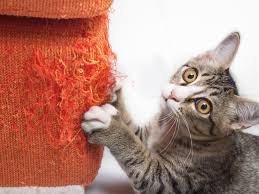
Cat Scratching Furniture: Causes and How to Solve It
Introduction
One of the feline behaviors that generates the most frustration among owners is the habit of scratching furniture, sofas, rugs, and other household items. Torn upholstery, marked chair legs, and worn-out carpets are frequent complaints from those who live with domestic cats. However, before attempting to correct this behavior, it is essential to understand that scratching is a legitimate biological and behavioral need for felines — not an act of malice or disobedience.
Approaching scratching behavior with knowledge and appropriate strategies is the only way to find effective and lasting solutions. Physical punishment or harsh reprimands are not only ineffective, but can compromise the trust between owner and animal, generating anxiety and other behavioral problems. This article explains why cats scratch, what causes this behavior, and how to redirect it in a positive and efficient way.
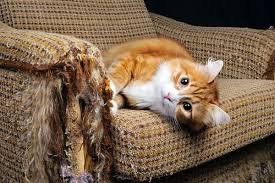
Why Do Cats Scratch?
Understanding the motivations behind scratching behavior is the first step to dealing with it effectively. There are multiple reasons why cats engage in this behavior, and frequently more than one is involved at the same time.
Nail Maintenance The most obvious function of scratching is nail maintenance. By scratching surfaces, the cat removes the worn outer layers of its claws, exposing the sharper and healthier layer beneath. This process is essential for claw health and occurs in a completely instinctive way.
Muscle Stretching The act of scratching involves a full extension of the body, from the front paws to the torso. This muscle stretching is important for the animal’s physical health, especially after periods of rest. This is why cats are commonly seen scratching right after waking up.
Territorial Marking Cats have sweat glands in their paw pads that release pheromones during the act of scratching. This scent marking, invisible to humans, communicates the animal’s presence to other felines and reinforces its sense of security and belonging within the territory. Additionally, the visual marks left on surfaces also function as territorial signals.
Emotional Communication Scratching behavior is also associated with emotional expression. Cats may scratch with greater intensity in situations of stress, anxiety, or excitement. The arrival of a new animal, changes in routine, construction in the home, or any alteration in the environment can intensify the behavior.
Pleasure and Well-Being Finally, scratching simply brings the cat pleasure. The combination of physical stretching, sensory stimulation, and territorial marking creates a satisfying experience that the animal seeks to repeat regularly.
Why Do Cats Prefer Certain Surfaces?
Understanding what characteristics make a surface attractive for scratching helps in selecting suitable alternatives. Cats tend to prefer surfaces that offer resistance to scratching, that allow the claws to slightly dig in, and that are stable enough to support the animal’s weight and force during the movement.
Fabrics such as velvet, linen, and natural sisal are particularly attractive. The orientation of the surface also matters: some cats prefer to scratch vertically, while others prefer horizontal or angled surfaces. Observing your cat’s individual preferences is essential for offering effective alternatives.
Strategies to Redirect the Behavior
Provide Adequate Scratching Posts The most effective and fundamental solution is to make scratching posts available that meet the animal’s needs. A single scratching post hidden in a corner of the house rarely solves the problem. Scratching posts should be positioned in strategic locations, especially near the surfaces the cat already habitually uses and in the areas of highest traffic in the home.
As for material, natural sisal scratching posts are the most effective for most cats. Corrugated cardboard, natural wood, and carpet are also well-accepted options. As for orientation, offer at least one vertical scratching post tall enough for the cat to fully stretch out, and one horizontal or angled option to accommodate different preferences.
Make Furniture Less Attractive While the cat is learning to use the scratching posts, it is possible to make unwanted surfaces less appealing. Double-sided tape applied to the areas most used by the cat creates an unpleasant sensation on contact that most felines reject. Protective covers for sofas and furniture are also practical alternatives during the transition period.
Cat-specific repellent sprays, available at pet shops, can be applied to surfaces you want to protect. However, it is essential to ensure that a suitable alternative is available nearby so that the animal can redirect its behavior.
Positive Reinforcement Whenever the cat uses the correct scratching post, reinforce the behavior with praise, affection, or treats. Positive reinforcement is the most effective tool for shaping feline behavior. Over time, the animal will associate using the scratching post with pleasant experiences and will come to prefer that option.
To encourage initial use of the scratching posts, you can rub catnip on the surfaces or hang toys nearby to make the object more attractive. Some owners also use specific synthetic pheromones that draw cats to certain surfaces.
Nail Management Regular nail trimming significantly reduces the damage caused by scratching on furniture. With trimmed nails, even if the cat continues to scratch unwanted surfaces, the damage will be much less. Trimming should be done every two to three weeks using nail clippers specifically designed for cats, and can be done at home or by the veterinarian.
Silicone nail covers, known as soft claws or nail caps, are small caps that attach over the cat’s nails and prevent them from causing damage when scratching. They are an effective and safe alternative, available in various colors and sizes, and need to be replaced every four to six weeks as the nails naturally grow.
What Never to Do
Physical Punishment Hitting, shouting at, or frightening the cat when it scratches furniture is not effective and can be harmful. The cat does not associate the punishment with the scratching behavior, but rather with the owner’s presence, which can generate fear and compromise the emotional bond. Furthermore, the stress caused by punishment can intensify the behavior, as scratching is also a form of tension relief.
Declawing The surgical removal of claws, a practice known as declawing, is considered mutilation and is banned in several countries. In addition to being extremely painful, the surgery causes permanent damage to the structure of the animal’s paws, potentially resulting in chronic pain, changes in gait, and behavioral problems such as aggression and inappropriate litter box use.
When to Seek Professional Help
If the strategies described do not produce satisfactory results after a few weeks of consistent application, or if the scratching behavior appears to be associated with obvious signs of anxiety or stress, consulting a veterinarian with specialization in animal behavior is recommended. In some cases, excessive behavior may be a symptom of an anxiety condition that benefits from a specific therapeutic approach.
Conclusion
Scratching behavior is an integral part of feline nature and cannot simply be eliminated. The most effective approach consists of understanding the motivations behind the behavior, offering suitable and attractive alternatives, and redirecting the animal’s instinct in a positive and respectful way. With patience, consistency, and the right strategies, it is perfectly possible to preserve both the cat’s well-being and the integrity of the home’s furniture.

David Bencivenga
Writer, advertising copywriter and SEO analyst, I am originally from New York and have been passionate about reading and writing since I was little. Books have always been my companions and favorite pastime, which led me to my profession. I hope you enjoy each of my texts and that they can help you in some way. Happy reading!