
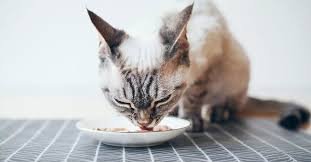
Natural Feeding for Cats: What Is Safe and What Is Not
Introduction
Natural feeding for cats has been gaining increasing attention among owners concerned about the nutritional quality offered to their animals. Faced with a market full of industrialized options and a growing appreciation for animal welfare, many owners begin to question whether conventional cat food is sufficient to guarantee their feline’s full health and whether there are more natural and nutritious alternatives.
However, transitioning to a natural diet requires in-depth knowledge of feline physiology and specific nutritional needs. Unlike humans and even dogs, cats have quite particular nutritional requirements, and errors in diet composition can have serious consequences for the animal’s health. This article brings together the key information on natural feline feeding, covering what can be offered, what should be avoided, and how to make this transition safely and responsibly.
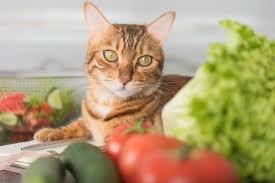
The Cat as a Strict Carnivore
To understand the dietary needs of cats, it is essential to start from a central concept: the cat is a strict carnivore. Unlike dogs, which are opportunistic carnivores and can metabolize a wider variety of foods, cats evolved as specialized hunters and depend exclusively on nutrients of animal origin to survive.
This characteristic has direct implications for feeding. Cats do not have the metabolic capacity to adequately synthesize certain essential nutrients from plant precursors, as occurs in other species. Among these nutrients are taurine, arginine, arachidonic acid, and vitamin A in the form of retinol, all of which are obtained exclusively from animal sources. A deficiency in any of these nutrients can cause serious and irreversible diseases.
Natural Feeding Approaches
There are different approaches within the concept of natural feeding for cats:
BARF Diet (Biologically Appropriate Raw Food): Based on offering raw foods, including meats, organs, ground or edible raw bones, eggs, and small amounts of vegetables. It holds that foods in their natural form preserve enzymes and nutrients that are lost during processing.
Cooked diet: Consists of preparing meals with cooked foods, eliminating the risk of contamination by pathogens present in raw meats. It requires careful supplementation, as cooking can reduce the bioavailability of some nutrients.
Mixed feeding: A combination of commercial cat food with natural foods, used by many owners as a way to enrich the diet without completely abandoning the convenience of kibble.
Regardless of the chosen approach, any natural diet for cats must be formulated or supervised by a veterinarian with specialization in animal nutrition, ensuring that all of the animal’s nutritional needs are met in a balanced way.
What Can Be Offered
Animal Proteins Animal proteins are the foundation of feline nutrition and should make up the majority of the diet. Chicken, turkey, duck, rabbit, lamb, and beef are adequate protein sources. Meats should be offered without seasonings, without onion, without garlic, and without any condiments. Organs such as liver, heart, and gizzard are nutrient-rich sources and can be included in the diet, but in moderation — excess liver, for example, can cause vitamin A toxicity.
Fish Fish can be offered occasionally as a source of protein and omega-3 fatty acids. However, it should not be the basis of the diet, as excessive consumption of raw fish can cause thiamine deficiency due to the presence of thiaminase, an enzyme that destroys this vitamin. Sardines, mackerel, and cooked, unseasoned salmon are suitable options for occasional use.
Eggs Cooked eggs are an excellent source of high-quality protein and can be offered as a dietary supplement. Raw egg whites should be avoided, as they contain avidin, a protein that interferes with biotin absorption.
Bones Raw ground bones can be included in the BARF diet as a source of calcium and phosphorus. Cooked bones, however, must be strictly avoided, as they become brittle and can cause perforations in the gastrointestinal tract.
What Must Not Be Offered
Onion and Garlic Onion, garlic, chives, and all vegetables of the Allium genus are highly toxic to cats. They contain compounds that destroy the animal’s red blood cells, potentially causing severe hemolytic anemia. Toxicity occurs in fresh, dehydrated, and powdered forms.
Grapes and Raisins Grapes and raisins can cause acute kidney failure in cats, even in small amounts. The exact mechanism is not yet fully understood by science, but reports of poisoning are consistent and severe.
Chocolate and Cocoa Chocolate contains theobromine and caffeine, substances that cats metabolize much more slowly than humans. The accumulation of these substances in the body can cause vomiting, diarrhea, tremors, seizures, and, in severe cases, death.
Avocado Avocado contains persin, a substance with toxic potential for various animal species, including felines. It can cause vomiting, diarrhea, and cardiac impairment.
Dairy Products Contrary to popular belief, most adult cats are lactose intolerant. The consumption of milk and dairy products can cause gastrointestinal disturbances such as diarrhea and vomiting. Kittens that are still nursing tolerate breast milk, but not necessarily cow’s milk.
Raw Pork Raw pork can carry parasites such as Toxoplasma gondii and viruses such as Aujeszky’s disease, which is fatal to cats. If offered, pork must always be thoroughly cooked.
Salt and Seasonings Excess sodium can cause dehydration, hypertension, and kidney problems. Industrialized seasonings, sauces, and processed foods intended for human consumption should never be given to cats.
Caffeine and Alcohol Caffeine and alcohol are extremely toxic substances for felines and can cause serious neurological and cardiac impairment, even in very small doses.
The Importance of Supplementation
One of the main concerns in natural feline feeding is ensuring an adequate supply of nutrients that may not be present in sufficient quantities from food alone. Taurine, for example, is an essential amino acid for cats that must be present at adequate levels in the diet. Its deficiency causes retinal degeneration and dilated cardiomyopathy, serious and potentially fatal conditions.
Other nutrients that frequently require supplementation in natural diets include calcium, vitamin D, vitamin E, zinc, and iodine. Supplementation must always be guided by a veterinary nutritionist, as both deficiency and excess of certain nutrients can be harmful to the animal’s health.
Dietary Transition
The change from commercial food to a natural diet should be made gradually, over two to four weeks, to allow the animal’s digestive system to adapt. Introduce small amounts of the new food mixed with the usual kibble, progressively increasing the proportion of natural feeding. Abrupt changes can cause gastrointestinal disturbances and rejection of the new food.
Conclusion
Natural feeding can be an excellent option for cats when planned with technical rigor and professional guidance. Understanding the specific nutritional needs of felines, knowing which foods are beneficial and which pose risks, and ensuring adequate supplementation are indispensable steps for this choice to contribute positively to the animal’s health and longevity. Before any significant dietary change, always consult a trusted veterinarian or veterinary nutritionist.

David Bencivenga
Writer, advertising copywriter and SEO analyst, I am originally from New York and have been passionate about reading and writing since I was little. Books have always been my companions and favorite pastime, which led me to my profession. I hope you enjoy each of my texts and that they can help you in some way. Happy reading!