
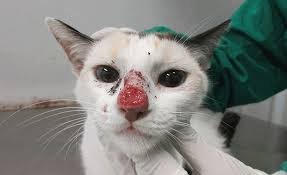
Most Common Diseases in Domestic Cats
Knowing the diseases that most frequently affect domestic cats is one of the most effective ways to protect your animal’s health. Early diagnosis, combined with regular veterinary follow-up, can completely transform the prognosis of various conditions, increasing the chances of recovery and preserving the feline’s quality of life.
Although cats are resilient animals, they are subject to a number of illnesses that can develop silently, with no obvious signs in the early stages. This article presents the main diseases that affect domestic cats, their symptoms, modes of transmission, and the preventive measures available.
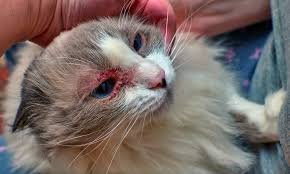
1. Chronic Kidney Disease
Chronic kidney disease is one of the most prevalent conditions in cats, especially in middle-aged and senior animals. The kidneys perform vital functions in the body, including filtering the blood, controlling fluid balance, and eliminating toxins. When these organs progressively lose their functional capacity, toxins accumulate in the body, compromising multiple systems.
Clinical signs include increased water consumption and urination frequency, progressive weight loss, loss of appetite, vomiting, lethargy, and a dull coat. Because it develops slowly and gradually, the disease is often already at an advanced stage by the time of diagnosis. Periodic blood and urine tests are essential for early detection, especially in cats over seven years of age.
2. Periodontal Disease
Periodontal disease is the most commonly diagnosed illness in domestic cats. Studies indicate that the majority of cats over three years of age already show some degree of periodontal involvement. The condition begins with the accumulation of bacterial plaque on the teeth, which mineralizes to form tartar. Over time, inflammation extends to the tooth-supporting structures, potentially leading to tooth loss and, in severe cases, bacterial spread to vital organs such as the heart, kidneys, and liver.
Signs include bad breath, difficulty chewing, excessive drooling, gum bleeding, and loss of appetite. Prevention involves regular tooth brushing, use of specific feline oral hygiene products, and professional cleaning under anesthesia when recommended by the veterinarian.
3. Obesity
Although not an infectious disease, obesity is considered an epidemic among domestic cats and represents a significant risk factor for several other conditions. Sedentary cats fed high-calorie diets with no encouragement for physical activity are the most vulnerable.
The consequences of feline obesity include diabetes mellitus, joint disease, fatty liver disease, respiratory problems, and reduced life expectancy. Weight control through a balanced diet, appropriate portions, and environmental enrichment that stimulates movement is the primary preventive and therapeutic measure.
4. Diabetes Mellitus
Feline diabetes mellitus is a metabolic condition characterized by the body’s inability to properly regulate blood glucose levels. It can be associated with obesity, a sedentary lifestyle, and aging. The most common symptoms include increased water and food intake, increased urination frequency, weight loss despite increased appetite, and weakness in the hind limbs.
Diagnosis is made through blood and urine tests. Treatment generally involves insulin administration, dietary adjustment, and regular monitoring of glucose levels. In some cases, especially when diagnosed early and associated with lifestyle changes, feline diabetes can go into remission.
5. Hyperthyroidism
Hyperthyroidism is the most common endocrine disease in senior cats and results from excessive production of thyroid hormones. These hormones regulate metabolism, and their excess causes a generalized acceleration of bodily functions.
Clinical signs include weight loss even with increased appetite, hyperactivity, vomiting, diarrhea, a neglected coat, and, in more severe cases, heart problems. Diagnosis is confirmed by hormonal testing and treatment may involve oral medication, an iodine-restricted diet, radioactive iodine therapy, or surgical intervention.
6. Feline Immunodeficiency Virus (FIV)
FIV, often compared to human HIV, progressively compromises the cat’s immune system, making it vulnerable to opportunistic infections. Transmission occurs mainly through deep bites, with cats that have outdoor access and unneutered males being the most exposed.
There is no cure for FIV, but seropositive cats can live for many years with a good quality of life when they receive adequate veterinary care, a balanced diet, and protection against secondary infections. Diagnosis is made by serological testing, and the main forms of prevention are neutering and restricting outdoor access.
7. Feline Leukemia Virus (FeLV)
FeLV is a retrovirus that compromises the immune system and is associated with the development of lymphomas and other cancers. Transmission occurs through direct contact with secretions from infected animals, especially saliva and urine. Unlike FIV, FeLV can be transmitted through social contacts such as mutual grooming and sharing of food bowls.
A vaccine is available for FeLV, classified as non-core and recommended for cats at risk of exposure. Diagnosis is made by serological testing, and the prognosis varies according to the stage of infection and the animal’s immune response.
8. Upper Respiratory Tract Infections
Respiratory infections in cats are frequently caused by Feline Herpesvirus Type 1 and Feline Calicivirus, both covered by the V4 vaccine. Symptoms include sneezing, nasal and ocular discharge, conjunctivitis, fever, and loss of appetite. Although rarely fatal in healthy adults, these infections can be severe in kittens and immunosuppressed animals.
Treatment is mostly supportive, including hydration, adequate nutrition, and, when necessary, antibiotics to treat secondary bacterial infections. Regular vaccination is the primary preventive measure.
9. Parasitic Infections
Internal and external parasites are extremely common in domestic cats. Among internal parasites, intestinal worms such as Toxocara, Ancylostoma, and Giardia stand out. The most frequent external parasites are fleas, ticks, and mites that cause mange.
Parasite infestation can cause anything from mild discomfort to severe anemia, disease transmission, and developmental impairment in kittens. Regular deworming and the use of preventive products for external parasites are indispensable measures in feline health care.
10. Pancreatitis
Pancreatitis, or inflammation of the pancreas, is a condition that is challenging to diagnose in cats, as its symptoms are often nonspecific. Lethargy, loss of appetite, vomiting, and abdominal pain are the most common signs. Diagnosis requires specific laboratory tests and, in some cases, imaging exams.
Treatment involves nutritional support, pain management, and, depending on the cause, specific therapy. Severe cases may require hospitalization and fluid therapy.
Conclusion
The diversity of diseases that can affect domestic cats reinforces the importance of regular veterinary follow-up and a preventive approach from owners. Up-to-date vaccinations, periodic deworming, adequate nutrition, an enriched environment, and routine check-ups are the pillars that support feline health throughout the animal’s entire life. The earlier a disease is identified, the greater the chances of effective treatment and preservation of your cat’s quality of life.

David Bencivenga
Writer, advertising copywriter and SEO analyst, I am originally from New York and have been passionate about reading and writing since I was little. Books have always been my companions and favorite pastime, which led me to my profession. I hope you enjoy each of my texts and that they can help you in some way. Happy reading!