
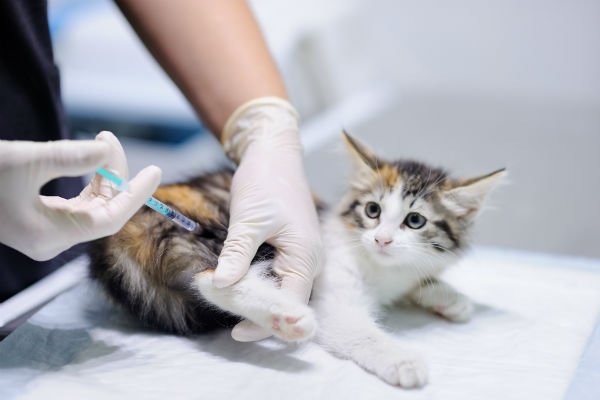
Essential Vaccines for Cats — Complete Schedule
Introduction
Vaccination is one of the most effective and accessible tools for protecting the health of domestic cats. Through immunization, it is possible to prevent infectious diseases that, in many cases, are highly contagious, difficult to treat, and potentially fatal. Despite its widely recognized importance in veterinary medicine, many owners still have questions about which vaccines are necessary, how frequently they should be administered, and at what age the process should begin.
In this article, you will find a complete and up-to-date guide on feline vaccination, including the types of vaccines available, the recommended schedule, and the key information to ensure adequate protection for your cat at every stage of life.
Why Is Vaccinating Your Cat Indispensable?
Before addressing the vaccination schedule, it is important to understand the mechanism behind vaccination. Vaccines work by introducing into the animal’s body inactivated, attenuated, or fragmented pathogenic microorganisms. This controlled exposure stimulates the immune system to produce specific antibodies, preparing the body to react efficiently if it comes into contact with the disease-causing agent in the future.
Even cats that live exclusively indoors are subject to risks. Viruses can be carried into the home through contaminated clothing, footwear, and objects. Additionally, situations such as veterinary visits, hospitalizations, grooming at pet shops, and occasional contact with other animals represent opportunities for exposure to pathogens.
Classification of Feline Vaccines
Vaccines for cats are divided into two main categories:
Core vaccines: Recommended for all cats, regardless of lifestyle or living environment. They protect against diseases of high prevalence, great severity, or with zoonotic potential — meaning they can be transmitted to humans.
Non-core vaccines: Indicated according to the animal’s lifestyle, living environment, and risk of exposure to certain infectious agents. The recommendation is made by the veterinarian based on an individual assessment of each animal.
Core Vaccines for Cats
Feline Panleukopenia (Feline Distemper) Feline panleukopenia is caused by the Feline Parvovirus and represents one of the most serious diseases that can affect cats. The illness causes a sharp drop in white blood cells, severely compromising the animal’s immune system. Symptoms include vomiting, severe diarrhea, fever, and prostration. The mortality rate, especially in kittens, is high. The panleukopenia vaccine is included in polyvalent compounds and provides long-lasting protection.
Feline Viral Rhinotracheitis (Feline Herpesvirus Type 1) Rhinotracheitis is a respiratory infection caused by Feline Herpesvirus Type 1. It manifests through frequent sneezing, nasal and ocular discharge, conjunctivitis, fever, and loss of appetite. The virus is highly contagious among felines and, although rarely fatal in healthy adult animals, can be serious in kittens and immunosuppressed animals. A relevant aspect is that the virus remains latent in the body after infection and can be reactivated in stressful situations.
Feline Calicivirus Feline Calicivirus is another agent that causes respiratory disease in cats. In addition to respiratory symptoms, calicivirus can cause mouth and tongue ulcers, limping, and, in its more severe forms, pneumonia. Like the herpesvirus, calicivirus is extremely contagious among felines.
V4 Vaccine — The Polyvalent Compound The V4 vaccine is the most widely used polyvalent compound in feline vaccination routines in Brazil. In a single application, it protects against four diseases: panleukopenia, rhinotracheitis, calicivirus, and feline chlamydiosis. There is also a V3 version, which does not include protection against chlamydiosis. The choice between compounds is made by the veterinarian based on the animal’s assessment and vaccination history.
Rabies (Rabies Virus) The rabies vaccine is legally required throughout Brazil and protects against the rabies virus, a zoonosis that is invariably fatal in both animals and humans. Rabies vaccination is a fundamental public health measure and must be kept up to date regardless of the animal’s lifestyle.
Non-Core Vaccines for Cats
Feline Leukemia Virus (FeLV) The Feline Leukemia Virus is transmitted through direct contact between cats, especially through saliva, urine, and breast milk. The disease compromises the immune system and is associated with tumor development. The vaccine is especially recommended for cats that have outdoor access or that live with other felines of unknown serological status.
Feline Immunodeficiency Virus (FIV) Although the FIV vaccine is available in some countries, its use in Brazil is limited and the indication must be carefully evaluated by the veterinarian, as vaccination may interfere with diagnostic test results for the disease.
Feline Chlamydiosis Caused by the bacterium Chlamydophila felis, chlamydiosis causes conjunctivitis and respiratory symptoms. Protection against this condition is included in the V4 vaccine.
Important Considerations by Life Stage
It is important to note that kittens receive antibodies from their mother through breast milk, which can temporarily interfere with vaccine efficacy. For this reason, the protocol with multiple doses in the first weeks of life ensures that immunization occurs effectively after the decline of maternal antibodies.
Adult Cats Adult cats that have completed the initial vaccination protocol should receive annual boosters. The frequency may vary depending on the type of vaccine, the manufacturer, and the assessment of the responsible veterinarian.
Senior Cats Cats over seven years of age continue to need regular vaccination. However, animals with chronic diseases or immunosuppression may have their protocol adjusted by the veterinarian, since live attenuated vaccines may pose a risk to debilitated animals.
Care Before and After Vaccination
Before vaccinating, the animal must be healthy and free of parasites. Cats with fever, weakness, or undergoing treatment with immunosuppressive medications may have vaccination postponed. After the application, it is normal for the animal to show mild drowsiness, loss of appetite, or sensitivity at the injection site within the first 24 to 48 hours.
Severe allergic reactions, although rare, can occur. Signs such as vomiting, facial swelling, difficulty breathing, or intense prostration after vaccination require an immediate return to the veterinarian.
Conclusion
Regular vaccination is one of the pillars of feline preventive medicine and represents a fundamental commitment from the owner to the animal’s health and well-being. Following the recommended vaccination schedule, keeping the vaccination record up to date, and scheduling periodic veterinary consultations are indispensable practices to ensure a long, healthy, and quality life for your cat.

David Bencivenga
Writer, advertising copywriter and SEO analyst, I am originally from New York and have been passionate about reading and writing since I was little. Books have always been my companions and favorite pastime, which led me to my profession. I hope you enjoy each of my texts and that they can help you in some way. Happy reading!