
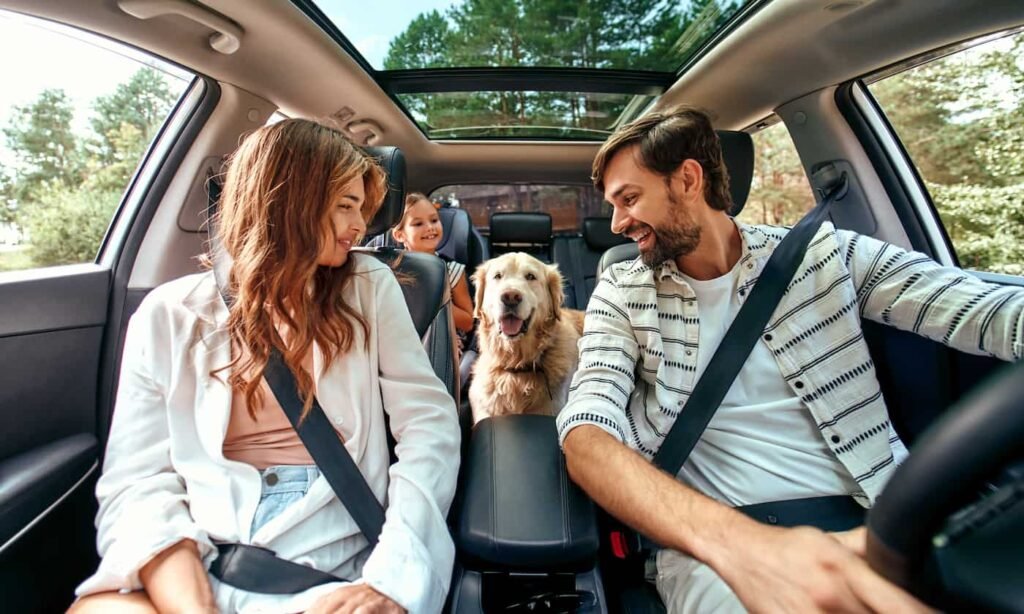
Traveling with your pet can be a wonderful and deeply rewarding experience, strengthening your bond and allowing your companion to share in the adventures that shape your life. However, a positive travel experience does not happen by accident — it is the result of thoughtful preparation, genuine attention to your animal’s needs, and a willingness to adapt your plans around their comfort and well-being. Whether you are embarking on a short road trip to a neighboring city or an international journey across continents, the principles of responsible pet travel remain consistent: plan ahead, consult professionals, and always prioritize your animal’s safety and emotional state over convenience.
The first and most important step is to consult your veterinarian well before your departure date to confirm that your animal is healthy enough to travel and to obtain any necessary documentation. Travel places physical and psychological demands on animals, and conditions that are manageable in the familiar comfort of home — mild heart murmurs, respiratory sensitivities, anxiety disorders, or musculoskeletal problems — may become significantly more challenging under the stress of an unfamiliar environment, temperature changes, and disrupted routine. Your vet is best positioned to assess these risks honestly and advise you on whether travel is appropriate, and if so, what precautions to take.
Documentation requirements vary considerably depending on your destination. Many countries and states require a health certificate issued by a licensed veterinarian within a specific window before travel — often ten days — along with up-to-date vaccination records, proof of microchipping, and in some cases, parasite treatment records or blood titer tests demonstrating immunity to certain diseases. International travel in particular can involve complex and time-sensitive bureaucratic requirements that differ dramatically from one country to another. Begin researching the specific requirements for your destination as early as possible — ideally several months in advance — as some processes, such as rabies titer testing, require a waiting period before results are accepted. Failure to have the correct documentation can result in your pet being denied entry or placed in quarantine, outcomes that are distressing for the animal and deeply disruptive for your travel plans.
For road trips, one of the most effective things you can do is gradually acclimatize your pet to the car before embarking on a long journey. Many animals associate car travel with infrequent and often stressful experiences — visits to the vet, moves to a new home — and arrive at the vehicle already in a state of heightened anxiety. Counter-conditioning this association by taking your pet on short, pleasant car trips that end in enjoyable destinations, such as a park or a favorite walking trail, helps build a more positive emotional response to the vehicle over time. Offer treats and calm praise during and after these practice trips to reinforce relaxed behavior.
Use a transport carrier appropriate for your animal’s size for all road journeys. A properly secured carrier provides substantially greater safety in the event of sudden braking, sharp turns, or accidents — an unrestrained pet in a moving vehicle becomes a dangerous projectile in a collision and is also a significant distraction to the driver. Hard-sided carriers generally offer more structural protection than soft-sided ones in the event of impact. For dogs too large for a carrier, a properly fitted harness attached to the vehicle’s seatbelt system is the recommended alternative. Never allow your pet to hang their head out of a moving window, despite how much they may enjoy it — the risks include eye injury from debris, ear damage from sustained wind exposure, and the possibility of falling or jumping from the vehicle.
Make planned stops every two hours during long road trips so your pet can stretch their legs, drink fresh water, and relieve themselves. Dehydration and physical stiffness are real concerns during extended travel, and regular breaks significantly reduce the physical and psychological toll of the journey. Never leave your pet unattended in a parked vehicle, even briefly — temperatures inside a closed car can reach dangerously lethal levels within minutes on a warm day, and cracking the windows provides insufficient ventilation to prevent heatstroke.
For air travel, research and contact your chosen airline well in advance, as policies regarding pet transport vary widely between carriers and are subject to change. Some airlines have suspended pet transport entirely, while others have specific restrictions on breeds, carrier dimensions, combined weight limits, and the number of animals permitted per flight. Small pets that meet the carrier size and weight requirements can usually travel in the cabin beneath the seat in front of you, which is generally preferable as it allows you to monitor and reassure your animal throughout the flight. Larger animals typically travel in a temperature-controlled, pressurized cargo hold — a prospect that understandably concerns many owners, but one that is managed with reasonable safety when the correct carrier and documentation requirements are met.
Prepare your pet’s carrier thoughtfully for any journey. Line it with absorbent bedding in case of accidents and include a piece of clothing or a familiar blanket carrying your scent, as this has been shown to provide genuine comfort to anxious animals in unfamiliar environments. Bring fresh water and a portable bowl, as well as a small supply of your pet’s regular food and favorite treats. Avoid feeding a large meal immediately before travel, as a full stomach increases the likelihood of nausea and vomiting — a light meal two to three hours before departure is generally more appropriate.
Travel-related anxiety is common in both dogs and cats and should be taken seriously rather than dismissed. Signs include excessive panting, drooling, trembling, vocalization, and attempts to escape the carrier. Natural calming products such as pheromone sprays, calming collars, and certain supplement-based remedies can be helpful for mildly anxious animals when used appropriately. For animals with more significant travel anxiety, your veterinarian may recommend a short-term prescription medication to ease the experience — always discuss this option in advance and never administer any medication, including over-the-counter products, without explicit veterinary guidance, as some substances that appear safe can have dangerous interactions or effects in certain animals.
Upon arrival at your destination, give your pet time and space to adjust gradually to the new environment. Maintain their regular feeding schedule, exercise routine, and interaction patterns as closely as possible to provide the reassuring consistency of familiar structure. With patience, preparation, and genuine attentiveness to your companion’s needs, travel becomes not a source of stress but a shared adventure that enriches both your lives.

David Bencivenga
Writer, advertising copywriter and SEO analyst, I am originally from New York and have been passionate about reading and writing since I was little. Books have always been my companions and favorite pastime, which led me to my profession. I hope you enjoy each of my texts and that they can help you in some way. Happy reading!