
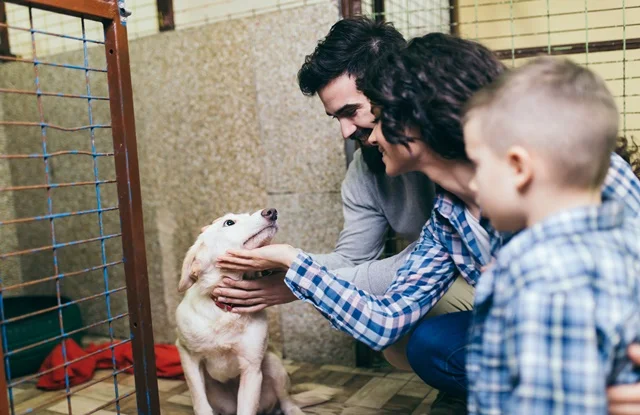
Responsibly adopting an animal is a transformative act of love, but it requires careful planning and long-term commitment. The decision to welcome a pet into your home is not one to be made impulsively, driven purely by emotion or the appeal of a cute face seen online or in a shelter window. While that emotional connection is a beautiful and natural part of the process, it must be grounded in honest self-reflection and practical preparation. A pet is not a temporary arrangement or a gift that can be returned when inconvenient — it is a living being that will depend on you completely, every single day, for the entirety of its life.
Before adopting, honestly assess your daily routine, available living space, financial situation, and how much time you can realistically dedicate to an animal. Consider your work schedule and whether you spend long hours away from home. Think about who will care for your pet when you travel, fall ill, or face unexpected life changes. Reflect on your housing situation — do you rent, and if so, does your lease permit pets? Do you have outdoor space, or will a large, energetic dog be confined to a small apartment? These are not discouraging questions designed to deter you from adopting, but essential considerations that set the foundation for a successful and sustainable relationship with your new companion.
A pet can live anywhere from 10 to 20 years, and throughout that entire time will need food, veterinary care, affection, and daily attention. The financial aspect of pet ownership is often underestimated by first-time adopters. Beyond the basic costs of food and routine veterinary check-ups, you must be prepared for unexpected medical expenses, which can be substantial. Pet health insurance is worth considering as a way to manage these costs and ensure your animal always receives the care it needs without placing undue strain on your finances. Factor in grooming, accessories, boarding or pet-sitting services, and any home modifications your new pet may require.
Research the species and breed you are considering to understand their traits, energy needs, and potential health predispositions. This step is critical and should be done thoroughly before making any decisions. Large-breed dogs such as German Shepherds, Labradors, and Golden Retrievers need more space, more exercise, and more food than smaller breeds, and they may also have higher rates of joint problems and other breed-specific conditions as they age. Brachycephalic breeds like bulldogs and pugs require special respiratory care due to their flattened facial structure, which can make breathing difficult and heat regulation challenging — a concern that demands constant attention, particularly in warmer climates. Long-haired cats such as Persians and Maine Coons need frequent and thorough grooming to prevent matting and skin problems. Understanding these characteristics in advance allows you to make an informed choice that aligns with both your lifestyle and your capacity to meet that animal’s specific needs.
Visiting a local shelter or rescue organization is the best option when looking to adopt. There you will find animals of all ages and personalities waiting for a second chance at a loving home. Shelters are filled with extraordinary animals — dogs and cats of all breeds, sizes, and temperaments — who through no fault of their own find themselves without a family. Many are already vaccinated, microchipped, and neutered, making the transition into your home smoother and more cost-effective. Older animals in particular are frequently overlooked in favor of puppies and kittens, yet they often make exceptionally calm, affectionate, and grateful companions who adapt quickly to a new home environment. Speak with shelter staff or volunteers about your lifestyle and preferences — they know the animals in their care well and can help guide you toward the best match.
Avoid purchasing animals from pet shops or unregulated online sellers. These sources frequently obtain their animals from irresponsible breeding operations where profit takes precedence over the health and welfare of the animals. Supporting these businesses, even unintentionally, perpetuates a cycle of suffering. Adopting from a shelter or a responsible, transparent rescue organization is always the more ethical and socially conscious choice.
After adoption, take the animal to the vet as soon as possible for a full health evaluation, vaccinations, deworming, and spaying or neutering when appropriate. Even if the shelter has already completed some of these procedures, a comprehensive examination by your own chosen veterinarian establishes a baseline for your pet’s health and gives you the opportunity to ask questions, discuss nutrition, and set up a long-term care plan. Establishing a relationship with a trusted vet early is one of the most important steps you can take for your new companion’s future well-being.
The adjustment period following adoption can be challenging and requires patience and empathy from every member of the household. The animal may be frightened, withdrawn, or disoriented in the first few days or even weeks after arriving in your home. This is entirely normal. Your new pet has experienced significant change and uncertainty, and it needs time to feel safe before it can begin to relax and show its true personality. Resist the urge to overwhelm the animal with attention, visitors, or new experiences too quickly. Instead, offer a quiet, consistent environment with a designated safe space where the animal can retreat when it feels overwhelmed.
Offer safety, routine, and patience. Establish regular feeding times, consistent walking schedules for dogs, and predictable daily rhythms that help your pet understand what to expect from its new life. Use positive reinforcement — treats, calm praise, and gentle handling — to build trust gradually. Never punish fear-based behaviors such as hiding, growling, or accidents in the home. These are expressions of anxiety, not defiance, and respond far better to reassurance than to correction.
Children and other pets in the household should be introduced to the new arrival slowly and under careful supervision. Even a naturally sociable animal needs time to adjust to new companions, and rushed introductions can create lasting tensions that are difficult to resolve.
With time, consistency, and genuine care, the bond between you and your adopted pet grows into something profound and deeply rewarding. The animal that once cowered in the corner of a shelter kennel becomes a confident, joyful, and devoted member of your family. Adoption transforms two lives simultaneously — and that quiet, daily miracle is one of the most meaningful experiences a person can know.

David Bencivenga
Writer, advertising copywriter and SEO analyst, I am originally from New York and have been passionate about reading and writing since I was little. Books have always been my companions and favorite pastime, which led me to my profession. I hope you enjoy each of my texts and that they can help you in some way. Happy reading!