
The Complete Guide to Caring for Pet Birds
Birds are charming and full-of-personality companions that bring color, sound, and life into any home. Their intelligence, social nature, and capacity to form deep bonds with their owners make them truly unique pets. However, caring for a bird goes far beyond simply providing a cage and some seeds. A responsible bird owner must understand the specific physical, emotional, and environmental needs of their species in order to provide a genuinely fulfilling life. Whether you share your home with a small parakeet or a large macaw, the principles of attentive, informed care remain equally important across the board.
To ensure the well-being of a pet bird, it is essential to provide a spacious cage large enough for the bird to fully extend its wings and move around freely. A cage that is too small is one of the most common and damaging mistakes new bird owners make, as confinement leads to stress, frustration, and a host of behavioral and health problems over time. For cockatiels and parakeets, the cage should be at least 60 cm wide. For parrots and macaws, significantly more space is required to support their physical and behavioral needs. The bar spacing of the cage also matters — bars set too far apart can trap a bird’s head or allow escape, while bars too close together may cause injury to feet and feathers. Always prioritize safety and comfort when selecting a cage for your bird.
Placement of the cage within your home is equally important. Position it in a room where the family spends a lot of time, as birds are social creatures who thrive on interaction and stimulation. Avoid placing the cage near kitchen fumes, air conditioning vents, or windows with direct sunlight for extended periods, as birds are extremely sensitive to temperature fluctuations and airborne toxins. Non-stick cookware, for example, releases fumes when overheated that are completely harmless to humans but can be fatal to birds within minutes. Awareness of these household hazards is a critical part of responsible bird ownership.
Their diet should be varied and balanced: seeds, fresh fruits like apple and papaya, leafy greens such as kale and carrot tops, and species-specific pellets. A diet consisting exclusively of seeds — though a common practice among uninformed owners — is nutritionally deficient and can lead to serious health problems including vitamin A deficiency, liver disease, and obesity. Pellets formulated specifically for birds provide a more complete nutritional profile and should ideally make up a significant portion of the daily diet. Avoid avocado, chocolate, and salty foods, as these are toxic to birds. Other dangerous items include onion, garlic, caffeine, alcohol, and any fruit seeds or pits, which may contain compounds harmful to the avian digestive system. When introducing new foods, do so gradually to allow your bird time to adjust and to monitor for any adverse reactions.
Change the water daily and clean food and water dishes regularly to prevent the growth of bacteria and fungi. Birds are particularly vulnerable to gastrointestinal infections, and contaminated water or food bowls are a frequent source of illness that is entirely preventable with consistent hygiene habits. Use stainless steel or ceramic dishes rather than plastic ones, which can harbor bacteria in small scratches and are more difficult to fully sanitize. The cage itself should also be cleaned regularly — spot-cleaned daily and thoroughly disinfected at least once a week — to maintain a sanitary living environment for your pet.
Mental stimulation is critical to prevent behaviors like feather plucking and excessive screaming. These behaviors are almost always a sign that a bird is bored, lonely, anxious, or in some form of distress. Feather plucking in particular can become a deeply ingrained habit that is extremely difficult to reverse once established, which is why prevention through enrichment is so much more effective than treatment after the fact. Offer a variety of toys that encourage foraging, chewing, and problem-solving. Rotate toys every few days to keep your bird’s environment feeling fresh and engaging. Natural wooden perches of varying thicknesses and textures are excellent for both physical exercise and beak maintenance, as birds naturally use branches in the wild to keep their beaks conditioned and their feet healthy.
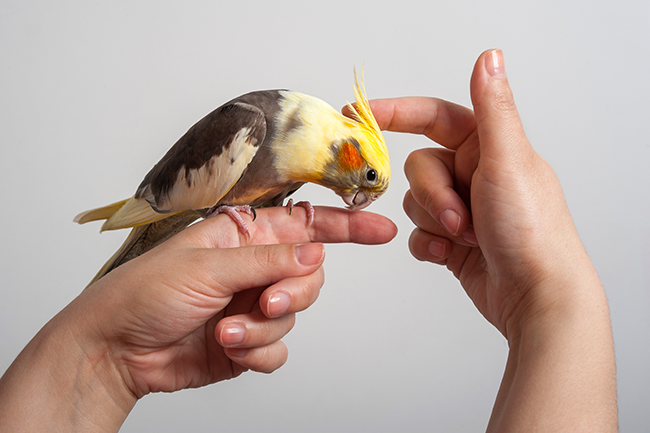
Spend time interacting with your bird every day. Even short, consistent sessions of talking, singing, or simply being present near the cage help build trust and strengthen the bond between bird and owner. Many species are highly social and can suffer from genuine loneliness and emotional decline if left without company for extended periods. If your lifestyle requires you to be away from home for long hours regularly, consider adopting a compatible companion bird so the two can keep each other stimulated and socially engaged during your absence. However, introducing a new bird requires patience and a careful, gradual process to ensure compatibility and prevent territorial conflicts.
Birds communicate constantly through their vocalizations, body language, and behavior. Learning to read these signals is one of the most rewarding aspects of bird ownership and also an essential tool for monitoring your pet’s health and emotional state. A relaxed bird will grind its beak gently, fluff its feathers slightly, and hold one foot up while resting. A bird that is consistently puffed up, lethargic, or sitting on the bottom of the cage is showing signs of illness and should be seen by a veterinarian immediately. Birds are prey animals by instinct and tend to hide symptoms of illness until they are quite unwell, which means that by the time visible signs appear, the situation may already be serious.
Schedule an annual checkup with an avian veterinarian to catch any health issues early. General practice veterinarians often have limited experience with birds, so seeking out a specialist in avian medicine is strongly recommended. Annual wellness exams typically include a physical examination, weight check, and may involve blood work or other diagnostic tests to assess internal organ function. Keeping your bird’s nails and beak trimmed — either by a professional or by providing appropriate enrichment that naturally wears them down — is also part of routine maintenance that contributes to overall health and comfort.
Ultimately, caring for a pet bird is a long-term commitment that demands daily attention, ongoing education, and genuine emotional investment. Many parrot species live for decades, meaning that adopting one is a decision that may span a significant portion of your lifetime. When given the proper environment, nutrition, socialization, and veterinary care, birds reward their owners with extraordinary companionship, affection, and moments of joy that are truly unlike anything else in the animal kingdo
m

David Bencivenga
Writer, advertising copywriter and SEO analyst, I am originally from New York and have been passionate about reading and writing since I was little. Books have always been my companions and favorite pastime, which led me to my profession. I hope you enjoy each of my texts and that they can help you in some way. Happy reading!