
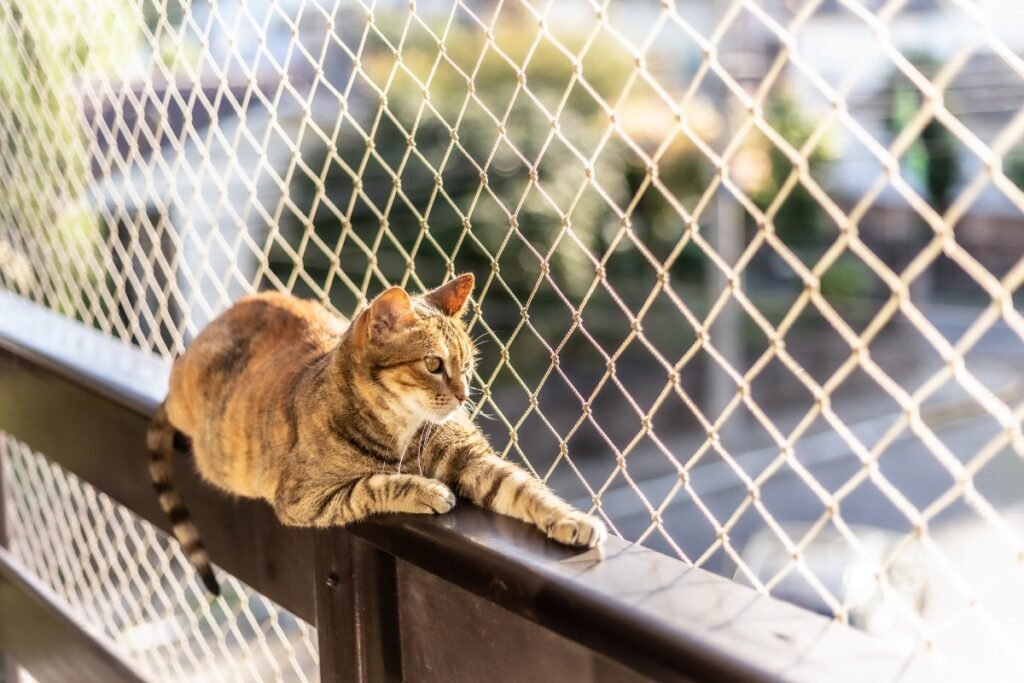
Cats are extremely adaptable animals and can thrive in apartments, as long as their basic needs are properly met. Unlike dogs, cats do not require outdoor walks to stay healthy, but this does not mean they can simply be left to their own devices in a small space. A thoughtful and attentive owner can create an enriching indoor environment that fully meets a cat’s physical, emotional, and social needs. Understanding feline behavior is the first step toward providing a fulfilling life for your apartment cat, and it makes all the difference between a stressed, bored animal and a genuinely content companion.
Environmental enrichment is essential for keeping your feline physically active and mentally stimulated. Without adequate stimulation, cats can develop behavioral problems such as excessive meowing, destructive scratching, overeating out of boredom, or even signs of depression and anxiety. A well-enriched environment prevents these issues and promotes a balanced, happy temperament. Install scratching posts in different areas of the apartment — scratching is a natural and necessary behavior for a cat’s well-being, and having dedicated spots will also protect your furniture. Cats scratch to stretch their muscles, mark territory, and maintain their claws, so providing appropriate surfaces for this activity is non-negotiable for any responsible owner.
Wall-mounted shelves and hammocks allow cats to observe their surroundings from above, satisfying their natural sentinel instinct. In the wild, cats spend a great deal of time in elevated positions, scanning for prey and potential threats. Replicating this vertical dimension inside your home dramatically improves your cat’s quality of life. Consider installing a series of shelves at different heights to create a “cat highway” along the walls, allowing your pet to move freely throughout the space without touching the floor. Window perches are another excellent option, giving cats the opportunity to watch birds, cars, and people passing outside — a source of endless entertainment for curious and observant felines.
Toys are another critical component of apartment life for cats. Items such as feather wands, paper balls, and electronic interactive gadgets are great for burning off energy. Rotate toys regularly to maintain your cat’s interest, as novelty is a powerful motivator for feline engagement. Puzzle feeders and treat-dispensing toys are particularly effective at engaging a cat’s problem-solving instincts, turning mealtime into a mentally stimulating activity rather than a passive routine. Set aside at least 20 minutes per day for active play with your cat — this strengthens your bond and helps reduce unwanted behaviors caused by pent-up energy and frustration.
If your schedule and living situation allow, consider adopting two cats rather than one. Cats that grow up together or are properly introduced often keep each other company, play together, and groom one another, significantly reducing loneliness during the hours you are away from home. Of course, two cats also mean double the responsibility in terms of feeding, veterinary care, and litter box maintenance, so this decision should be made thoughtfully and with full awareness of the commitment involved.
The litter box must always be kept clean: ideally, remove waste daily and do a full litter change weekly. A dirty litter box is one of the most common reasons cats begin eliminating outside their designated area, which can be frustrating for owners and stressful for the animal. If you have more than one cat, the general recommendation is to have one litter box per cat, plus one extra. Place litter boxes in quiet, accessible locations away from your cat’s food and water bowls, as cats naturally prefer to keep their eating and elimination areas completely separate. The type of litter you choose also matters — many cats have strong preferences and may refuse to use a box filled with an unfamiliar or heavily scented product.
Always offer fresh water, preferably through a running water fountain, as many cats prefer moving water and are naturally drawn to drink more when it flows. Adequate hydration is especially important for cats fed primarily dry food, as they are prone to urinary tract issues if they do not consume enough liquid. A good water fountain encourages drinking habits that support kidney and bladder health throughout your cat’s life. Change the water frequently and clean the fountain regularly to prevent bacterial growth and ensure the water remains appealing.
Nutrition plays a fundamental role in apartment cat care. Feed your cat a balanced diet appropriate for their age, weight, and health status. Obesity is a common problem among indoor cats due to their more sedentary lifestyle compared to outdoor animals. Avoid free-feeding if your cat tends to overeat, and consult your veterinarian for guidance on portion sizes and the best type of food — whether dry, wet, or a combination of both — for your particular pet’s individual needs and preferences.
Grooming is another area that deserves regular attention from every cat owner. Brushing your cat’s coat helps reduce shedding, prevents matting, and gives you an opportunity to check for skin irregularities, parasites, or lumps that might require veterinary attention. Most cats enjoy being brushed when introduced to it gradually and gently from a young age. Long-haired breeds may need daily grooming sessions, while short-haired cats typically require less frequent brushing but still benefit from the routine and the bonding it provides.
Regular veterinary visits and up-to-date vaccinations are indispensable for maintaining your cat’s long-term health. Annual check-ups allow your vet to catch potential health issues early, before they become serious and costly problems. Keep your cat’s antiparasitic treatments current, including protection against fleas, ticks, and intestinal worms, even if your pet never goes outside, as parasites can easily be brought indoors on clothing and shoes. Microchipping your cat is also strongly recommended, providing a permanent form of identification in case your pet ever escapes through an open window or door.
Mental and emotional well-being is just as important as physical health for apartment cats. Cats may have a reputation for independence, but they form deep attachments to their owners and can suffer genuine distress when left alone for extended periods without stimulation or affection. Enrich your cat’s environment with window views, background sounds such as nature videos designed for cats, and safe, supervised access to a balcony if available. Spend quality time with your pet each day — whether through play, grooming, or simply sitting together quietly.
Talk to your cat, respond to their vocalizations, and take the time to learn their unique body language and personality. Every cat is different, and the more attuned you become to your individual companion’s preferences and moods, the better you will be at meeting their needs. The investment you make in understanding and caring for your apartment cat will be rewarded with years of companionship, affection, and the remarkable joy that only a feline friend can bring into a home.

David Bencivenga
Writer, advertising copywriter and SEO analyst, I am originally from New York and have been passionate about reading and writing since I was little. Books have always been my companions and favorite pastime, which led me to my profession. I hope you enjoy each of my texts and that they can help you in some way. Happy reading!