
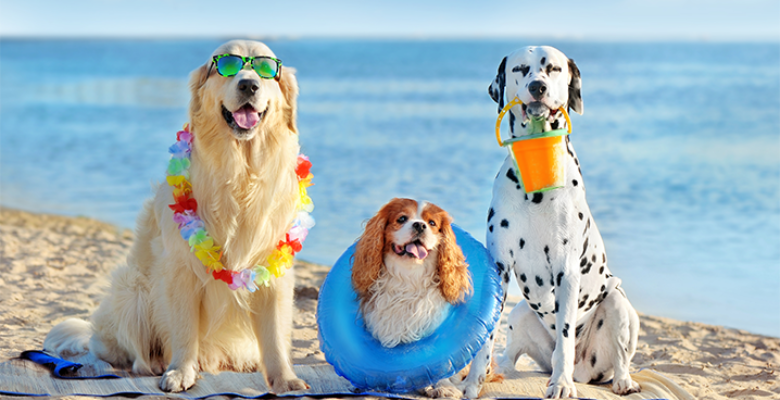
Preparing Your Pet for Their First Trip to the Beach
The beach has everything it takes to be one of the best experiences you’ll ever share with your pet. Wide open space to run without limits, soft sand to sniff and dig through, waves to approach cautiously or take on head-first — it’s an entirely new world for an animal that’s spent its life between four walls and neighborhood sidewalks. But precisely because everything is so new, the first time requires preparation. An unprepared pet on a busy beach can become stressed, get hurt, or get lost. With the right care, the outing becomes a great memory for both of you.
Get Them Used to the Car
For many pets, the car is already a source of anxiety on its own — and arriving at the beach already stressed out, before even laying eyes on the ocean, is a terrible start. If your animal isn’t used to long trips, start early: short rides around the neighborhood, gradually increasing the distance over days or weeks. The goal is for the car to become a neutral environment — or even a positive one.
During the trip, always bring fresh water and a collapsible bowl. Pets dehydrate faster than they let on, especially when they’re worked up or overheated. Make regular stops so they can stretch, drink, and relieve themselves. A comfortable journey is the first step toward a successful day.
Up-to-Date Health Care
The beach is an environment full of other animals, unfamiliar people, and surfaces your pet will sniff, lick, and explore without a second thought. Before you go, check with your vet that all vaccinations are current — especially rabies and Parvovirus, which are the most critical for animals exposed to outdoor environments.
Beyond vaccinations, apply flea and tick prevention products at least a few days in advance. The vegetation around beaches, especially in more remote areas, is a common habitat for these parasites. A preventive application saves you from coming home with a handful of unwanted surprises.

Basic Commands
At the beach, obedience isn’t a luxury — it’s a safety requirement. A pet that doesn’t reliably respond to basic commands in an open environment full of stimuli, people, and other animals can quickly become a problem. Make sure your animal consistently responds to at least three commands before the first visit:
- Sit — to pause and calm down in moments of excitement
- Stay — to keep them in place while you check on something
- Come or Here — the most important one: to call them back when they’ve wandered too far
If these commands aren’t solid yet, it’s worth postponing the visit and investing a few weeks of training first. The beach will still be there.
Essential Gear
Two items that cannot stay home:
Life vest: if your pet is going into the water, a life vest is non-negotiable — regardless of how strong a swimmer they are. Ocean currents, unexpected waves, and the fatigue that sets in after a long session in the water can take down even the best. Choose a vest with a rescue handle on top, which makes it much easier to pull them out of the water quickly.
Collar with ID tag: on a busy beach, pets get lost. A collar with a tag displaying their name and your phone number is the simplest and most effective way to ensure they find their way back to you if they wander off. Also consider a microchip if you haven’t done it yet — it’s a quick, inexpensive procedure that can save your animal’s life.
Introduce the Water Gradually
The image of a dog sprinting joyfully into the waves is a beautiful one — but it’s not what happens with every animal the first time around. Many pets are frightened by the sound of the sea, the unpredictable movement of the waves, and the strange sensation of salt water.
Let them approach at their own pace. Stay by their side, show them there’s nothing to fear, and let them explore the water’s edge before going any deeper. If they pull back, that’s okay — don’t push it. Some animals need more than one visit before they feel comfortable. The rule is simple: never force your pet into the water if they show resistance. The trauma of a bad experience can last far longer than the outing itself.
Sun Protection
This surprises a lot of people, but pets can get sunburned too. Areas with little or no fur — the snout, belly, ears, and around the eyes — are particularly vulnerable to prolonged sun exposure. On a strong beach day, apply pet-specific sunscreen to these areas before leaving home, and reapply throughout the day.
Important: never use human sunscreen on animals. Many formulas contain ingredients like zinc and salicylate that are toxic to dogs and cats if ingested — and they will lick it off, count on it.
Beyond sunscreen, keep a shaded area available for your pet to rest in. A simple beach umbrella or even a propped-up towel does the trick. Overheated animals face a real risk of heatstroke, which can be serious.

End-of-Day Clean-Up
The beach is dirty in the best possible way — but still dirty. Sand in the ears, salt in the coat, possible parasites on the paws, traces of seaweed or trash they decided to sniff up close. Before getting back in the car, do a basic clean-up on the spot:
- Rinse their coat with fresh water to remove the salt, which dries out and irritates the skin
- Wipe down the paws with a damp cloth, paying close attention between the toes
- Check the ears — accumulated sand can cause infections
Bring extra towels, a jug of fresh water for rinsing, and pet-specific hygiene products. Back home, a full bath puts the perfect finishing touch on the day — and keeps sand from spreading across the couch, bed, and carpet in the days that follow.

David Bencivenga
Writer, advertising copywriter and SEO analyst, I am originally from New York and have been passionate about reading and writing since I was little. Books have always been my companions and favorite pastime, which led me to my profession. I hope you enjoy each of my texts and that they can help you in some way. Happy reading!